

Carino Gurjao, An Aspiring Healthcare Scientist

Carino Gurjao, 28 years old, an engineer in bioinformatics, holding a PhD from Université Paris Cité and a researcher at Harvard Medical School, is ranked by Forbes magazine as one of the 30 leading persons under the age of 30 in healthcare. He tells us the story behind his success.
In 2017, after graduating with an engineering degree in Bioinformatics and Modelling at INSA Lyon, Carino Gurjao was offered a research position in Boston, where he had already held several internships. Four years later, his research experience prompted him to prepare a thesis. He began to work on validating his acquired experience (VAE) under the supervision of Dr. Boeva (Cochin Institute and ETH Zurich) and Dr. Mirny (MIT and Harvard). On December 17TH he defended and obtained his thesis. “My profile is interesting because I am a kind of swiss army knife handling statistics, information and biology equally well” he humbly explains.
“I came back to France to do my PhD to complete my studies with a degree that would recognise my competence in the field of medical research and complement my engineering career. The doctoral training provided in France is highly appreciated and recognised across the Atlantic,” he says.
While working at the Dana-Farber Cancer Institute in Cambridge, Carino published six high-impact papers, including three as first author. His latest publication, “Discovery and Features of an Alkylating Signature in Colorectal Cancer,” highlights the widely assumed but never observed mutagenic effect of red meat in humans.
In 2015, the International Agency for Research on Cancer (WHO agency), had classified red meat such as beef, pork, veal, lamb, etc. as a “probable carcinogen” and processed meat, deli products sausages, etc. as a “known carcinogen.” The mechanisms involved were already known in mouse cell lines. However, the only question left was to observe the carcinogenic effects at play in the development of colorectal cancers in humans. Carino Gurjao and his colleagues in the United States, China, Japan, England… have discovered this for the first time.
The research was based on data from two large U.S. epidemiological cohorts, which compile data from 280,000 individuals monitored since the 1970s-1980s. The Harvard team was initially looking to identify “the different genetic footprints that we see in colorectal tumors,” says Carino Gurjao. Among the 280,000 subjects, about 4,000 developed colorectal cancer. DNA extracts from 900 of these patients were analysed and linked to their diet. The results show that “heavy eaters” of red meat have a specific genetic signature that is not found in “heavy eaters” of fish or poultry. The observed genetic signature is characteristic of nitrosated compounds, due not only to blood hemoglobin but especially to nitrite additives in processed meats.
Carino Gurjao is currently a PhD student at Université Paris Cité and has a promising future ahead of him. He is returning to the United States to take up a research position. He will pursue his work at Columbia University on an ethnically diverse cohort, in order to optimise cancer prevention and treatment measures for these populations.
Read more
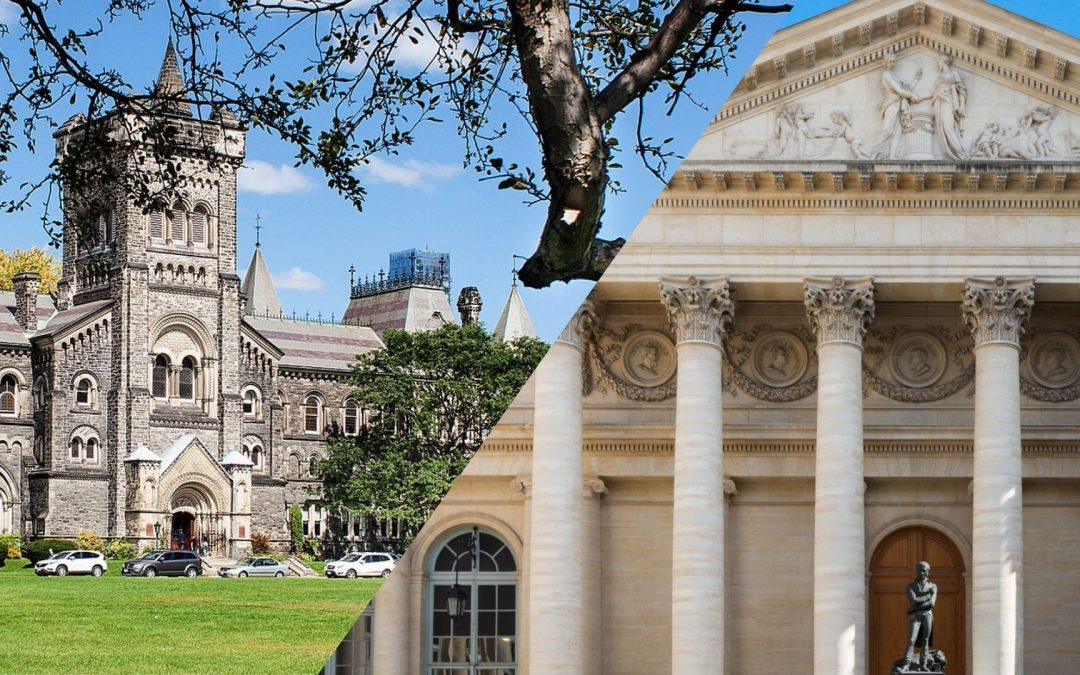
Doctoral Mobility: Results of the Call for Projects between Université Paris Cité and the University of Toronto
As part of the strategic partnership between Université Paris Cité (UPCité) and the University of Toronto (U of T), supported by the Initiative d'Excellence (IdEx), the call for doctoral mobility projects launched in 2026 aims to develop joint activities around themes...
read more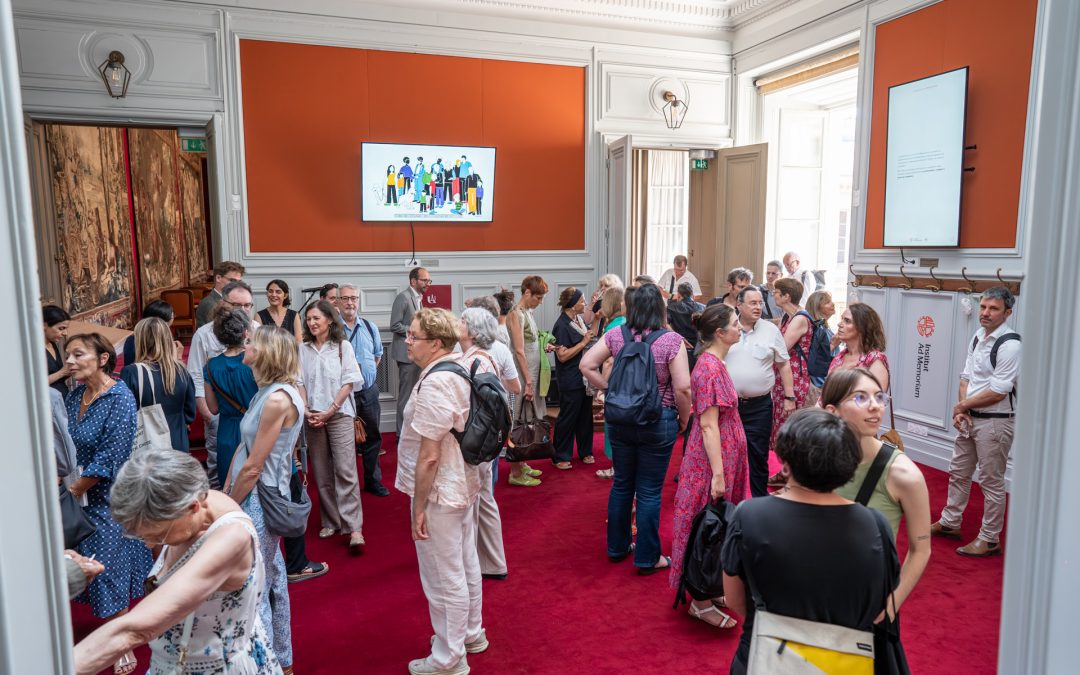
The Covid-19 Pandemic Memorial Site opens to the public
Starting Wednesday 16 September, the Covid-19 Pandemic Memorial Site will welcome visitors every Wednesday, from 2 p.m. to 5.30 p.m., at Université Paris Cité’s Odéon headquarters, located at 12 rue de l’École de médecine. Admission is free and no registration is...
read more
Learn French as a foreign language with ‘Décalages culturels’, the podcast from RFI and Université Paris Cité
Born out of a partnership between RFI and Université Paris Cité, and spearheaded by its Pedagogical Innovation Department, the podcast ‘Décalages culturels’ has been running since March as part of the programme ‘8 milliards de voisins’. Having explored the...
read more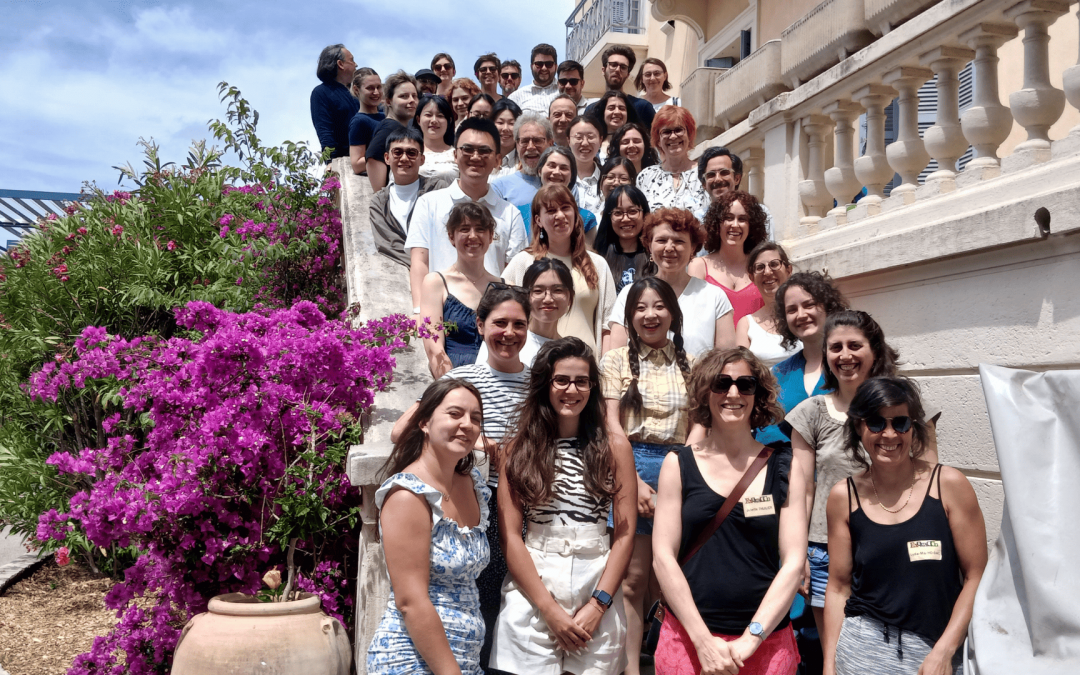
Graduate School Summer Schools: opportunities to learn, collaborate and broaden your horizons
Each year, the Graduate Schools of Université Paris Cité organize their summer schools, offering unique opportunities for learning, scientific exchange and collaboration. Students, PhD candidates and researchers come together to explore a wide range of topics,...
read more