

A Fat Molecule Found to be Critical for Blood Vessel Health
Fats are diverse molecules present throughout the body. Some are beneficial while others become harmful to health if accumulated in the body. In a study conducted by researchers from the Yong Loo Lin School of Medicine at the National University of Singapore (NUS), in collaboration with Université Paris Cité and Singapore Lipidomics Incubator (SLING), demonstrated the importance of sphingosine 1-phosphate (S1P), a fat molecule, in maturing and maintaining healthy blood vessels.
According to the World Health Organization, 15 million people suffer from a stroke each year. Around 13% of these stroke cases are hemorrhagic strokes when weakened blood vessels rupture, which causes brain bleed. The deterioration of vascular integrity and function has also been reported in severe cases of allergic reactions and septic shock. However, current treatments for these medical conditions are not always effective in preventing further complications and mortality.
Fats are diverse molecules which are found throughout the body. Some fat molecules are beneficial, while other fat molecules become detrimental to health if accumulated in the body. One particular fat molecule is sphingosine 1-phosphate (S1P), which is a potent signaling molecule found in high-density lipoprotein (HDL) particles, a type of good fat found in the blood. S1P is known to be exported from blood cells and blood vessels into the plasma via transporters. Circulating S1P binds to its receptors (e.g. S1P receptor 1) to regulate several important biological processes.
In this study, researchers at the Yong Loo Lin School of Medicine, National University of Singapore (NUS Medicine) led by Assistant Prof Nguyen Nam Long, in collaboration with Université Paris Cité and Singapore Lipidomics Incubator (SLING), demonstrated that S1P exported from the blood cells and blood vessels play a critical role in maintaining the integrity and functions of the blood vessels.
The team identified Mfsd2b and Spns2 as two proteins responsible for S1P release into blood circulation in early developmental stages of life. When these proteins were eliminated to block S1P export, this resulted in premature death of the embryos due to severe bleeding in the brain as well as in the body.
This reflects the importance of the circulating S1P for the development and maintenance of vascular networks during foetal growth.
In a previous article published in Nature, these researchers uncovered that S1P export from blood cells is essential to prevent allergic shock. In the current study, the team found that S1P export from the cells of the vascular network is also important for blood vessels in coping with vascular stress conditions. These findings reflect the importance of S1P export from blood cells and blood vessels for maintenance of vascular health under disease conditions. The results show the importance of plasma S1P for the development and maturation of blood vessels. Both studies would point to the hypothesis that maintaining blood S1P levels is beneficial for blood vessel-related diseases.
Assistant Professor Nguyen Nam Long, from the Immunology Translational Research Programme (ITRP) and Department of Biochemistry at NUS Medicine, explained, “Blood vessel health is vital for survival. This study reveals important clues that helps us understand the role of S1P in the blood for vascular health and provides exciting avenues for the diagnosis, prevention, and treatment of a variety of vascular-related diseases and severe allergies.”
The team is looking into studying how the measurements of S1P levels could determine the health of blood vessels in individuals such as COVID-19 patients or develop therapeutics that adjust blood S1P levels. The team is optimistic that this finding could be pivotal in the development of a novel therapeutic strategy to treat allergic conditions and conditions related to the fragility of blood vessels.
Dr Eric Camerer, Inserm Research Director from the Paris Cardiovascular Research Center in Université Paris Cité, added,“S1P is discovered to be essential for the proper development and function of our vascular and immune systems. This study proves that S1P must be actively exported from cells to carry out its vital functions in vascular biology, and has exceeded expectations by identifying the two main transporters responsible for S1P release into circulating fluids.”
Associate Professor Veronique Angeli, director of ITRP added, “This study by Asst Prof Nguyen and our collaborators reflects our commitment towards translational research to further our understanding of the myriad of diseases that continues to grow every day. With every bit of knowledge gained, these discoveries can be translated from bench to bedside to diagnose a wide range of diseases and contribute towards sustainable and preventive care to the populations.”
Source: Yong Loo Lin School of Medicine, National University of Singapore
Référence
Mfsd2b and Spns2 are essential for maintenance of blood vessels during development and in anaphylactic shock
DOI : https://doi.org/10.1016/j.celrep.2022.111208 (Cell Reports)
For more information, visit https://medicine.nus.edu.sg
Read more
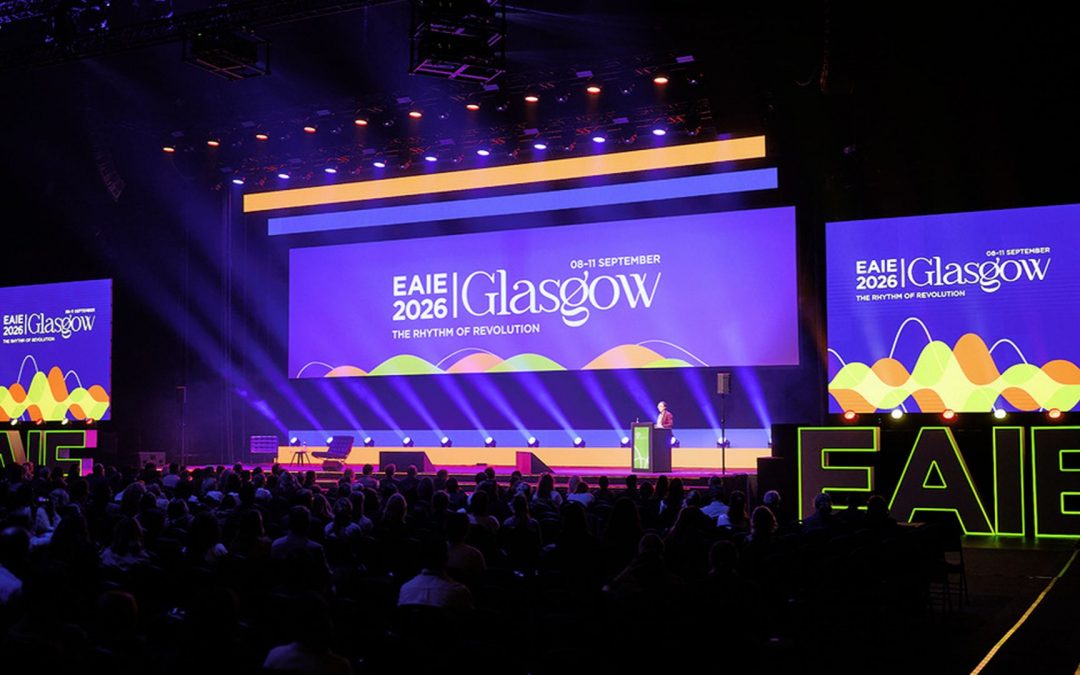
Université Paris Cité at EAIE 2026 in Glasgow
From 8 to 11 September, Université Paris Cité took part in the EAIE (European Association for International Education), the largest European higher education exhibition, held in Glasgow. As Europe's premier hub for higher education professionals, the EAIE brings...
read more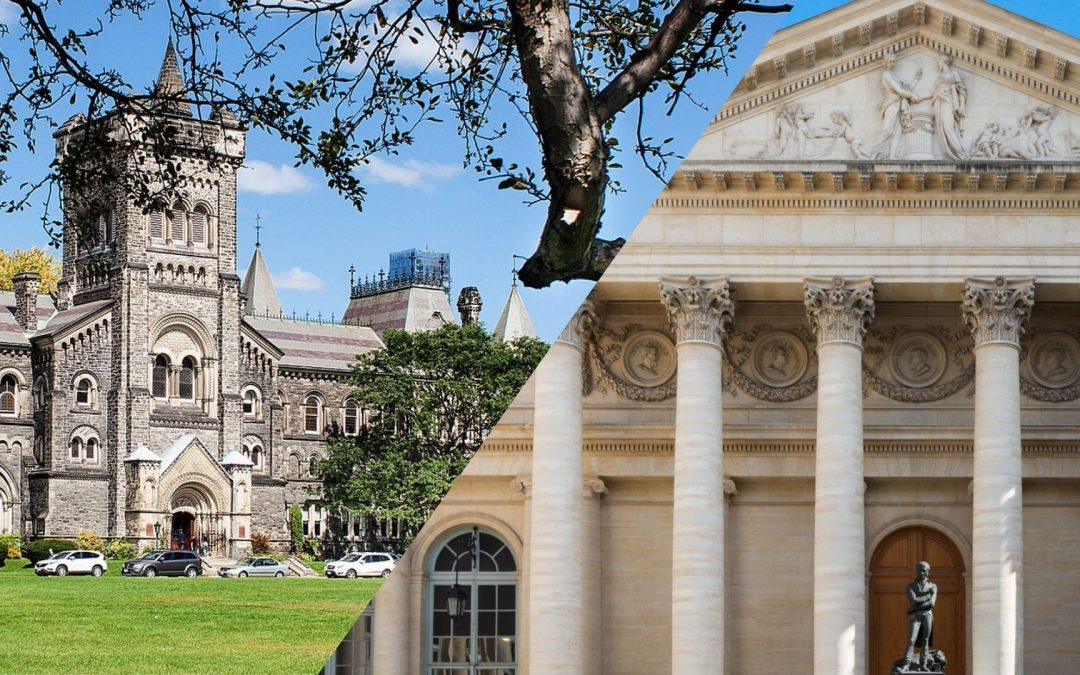
Doctoral Mobility: Results of the Call for Projects between Université Paris Cité and the University of Toronto
As part of the strategic partnership between Université Paris Cité (UPCité) and the University of Toronto (U of T), supported by the Initiative d'Excellence (IdEx), the call for doctoral mobility projects launched in 2026 aims to develop joint activities around themes...
read more
The Covid-19 Pandemic Memorial Site opens to the public
Starting Wednesday 16 September, the Covid-19 Pandemic Memorial Site will welcome visitors every Wednesday, from 2 p.m. to 5.30 p.m., at Université Paris Cité’s Odéon headquarters, located at 12 rue de l’École de médecine. Admission is free and no registration is...
read more
Erasmus Days: Discover the 2026 Programme!
From October 12 to 16, 2026, Université Paris Cité is celebrating the Erasmus Days once again! Conferences on international mobility, an escape game, theatre, an international evening… Discover the full programme for the 2026 edition. [iframe...
read more