


February 11 was the International Day of Women and Girls in Science. On this day, Université Paris Cité reaffirms its commitment to the equality between men and women and celebrates the journey of the women who advance research. Between celebrating our heritage and building our future, discover the highlights of the day.

Viewing of the 72 names of scientist women on the Eiffel Tower
© Agence Pierre-Antoine Gatier
Scientist women on display on the Eiffel Tower
To this day, the 72 names of the scientists engraved on the Eiffel Tower to celebrate those who contributed to France’s prestige are exclusively male. By 2027 a symbolic step will have been crossed: 72 names of scientist women will be engraved on top of the men’s, finally bringing gender-balance on this iconic historical monument. This is a strong move which is both memorial and future-oriented. It attests the essential contribution of women to scientific progress.
Among the women honoured are several scientists who have marked the history of Université Paris Cité through its founding institutions (Université Paris Diderot and Université Paris Descartes):
- Yvette Amice (1936–1993): A renowned number theorist, she served as Vice-President of Université Paris Diderot from 1978 to 1981. In 1975, she became the second woman to lead the Société Mathématique de France since its founding in 1872. She was also instrumental in establishing the Centre International de Rencontres Mathématiques (CIRM) in Luminy.
- Madeleine Brès (1842–1921): Trained at the Faculty of Medicine of the Université de Paris, she defended her doctoral thesis on the composition of breast milk in 1875, becoming the first French woman to earn a Doctorate in Medicine.
- Augusta Déjérine (1859–1927): A neurologist trained at the Faculty of Medicine of the Université de Paris. In 1886, she made history as the first woman to serve as an intern in Paris hospitals, paving the way for future generations of women physicians.
- Marthe Gautier (1925–2022): A physician, biologist, and doctoral graduate of the Faculty of Medicine of the Université de Paris. Her career at Université Paris Diderot left a lasting mark on biomedical research. In 2025, an asteroid was named in her honour to commemorate her legacy.
- Paulette Libermann (1919–2007): A mathematician and professor at Université Paris Diderot from 1966 to 1986. A pioneer in symplectic geometry, she is celebrated for her work on foliations—a foundational method of structuring mathematical spaces.
- Marianne Manago (1921–2013): A biochemist and professor at Université Paris Diderot between 1977 and 1982. She broke new ground as the first woman to serve as President of the French Academy of Sciences (1995–1996).
- Alice Sollier (1861–1942): A psychiatrist and one of the first women from a minority background to earn a Doctorate in Medicine, in 1887. She is widely recognised for her significant contributions to the fields of psychiatry and neurology.
The Eiffel Tower also pays tribute to the scientific excellence of the Institut Pasteur—a key research partner of Université Paris Cité—by honouring figures such as biophysicist Odile Croissant; chemist and Resistance fighter Pauline Ramart; biologist and physician Hélène Sparrow, famously nicknamed the “microbe hunter”; chemist Thérèse Tréfouël; and molecular biologist Agnès Ullmann.
Celebrating the excellency of UPCité’s woman researchers
Université Paris Cité’s recognition of its women doctoral students, researchers, and lecturer-researchers highlights the major role of women in scientific innovation and their contribution to global breakthroughs. In 2025 several prestigious awards put the talent and the commitment of women under the spotlight as they represent an important part of the laureates:
L’Oréal-UNESCO Young Talent Awards for Women and Science
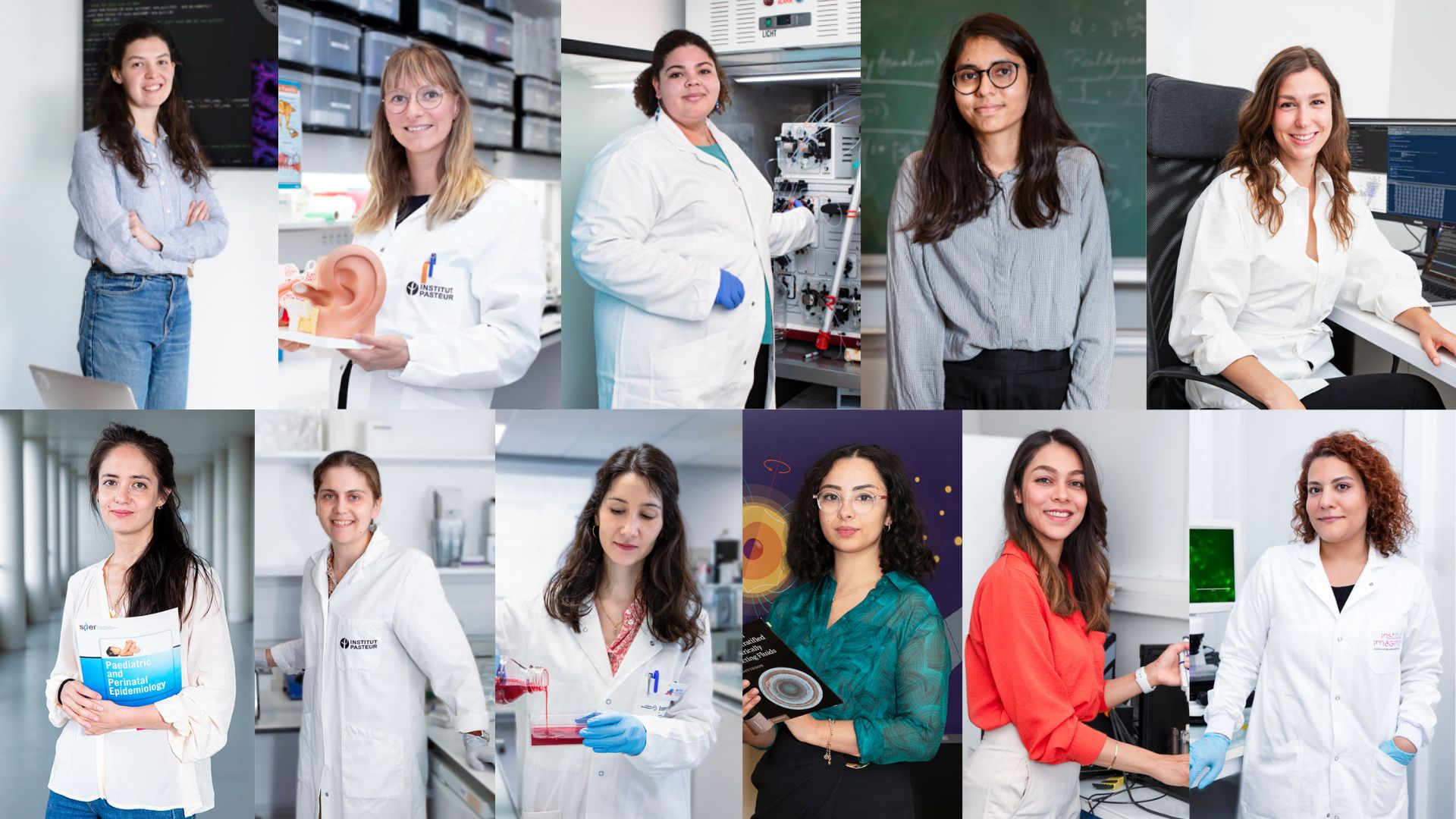
11 women, doctoral and post-doctoral students were awarded the prize in 2025.
Institut Universitaire de France (IUF)
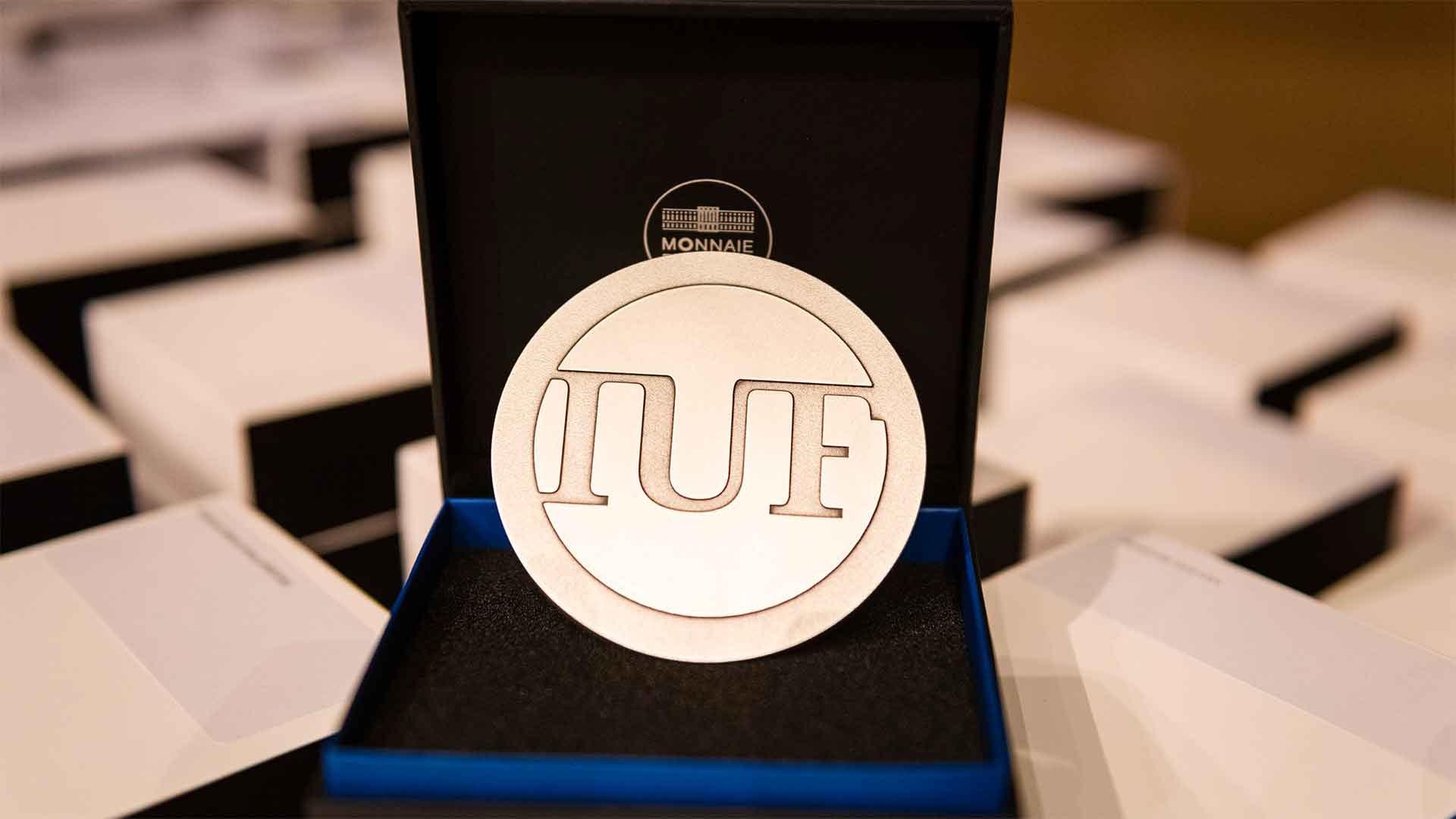
7 women were honoured among the 11 scientists nominated member of the IUF.
ERC Consolidator Grants
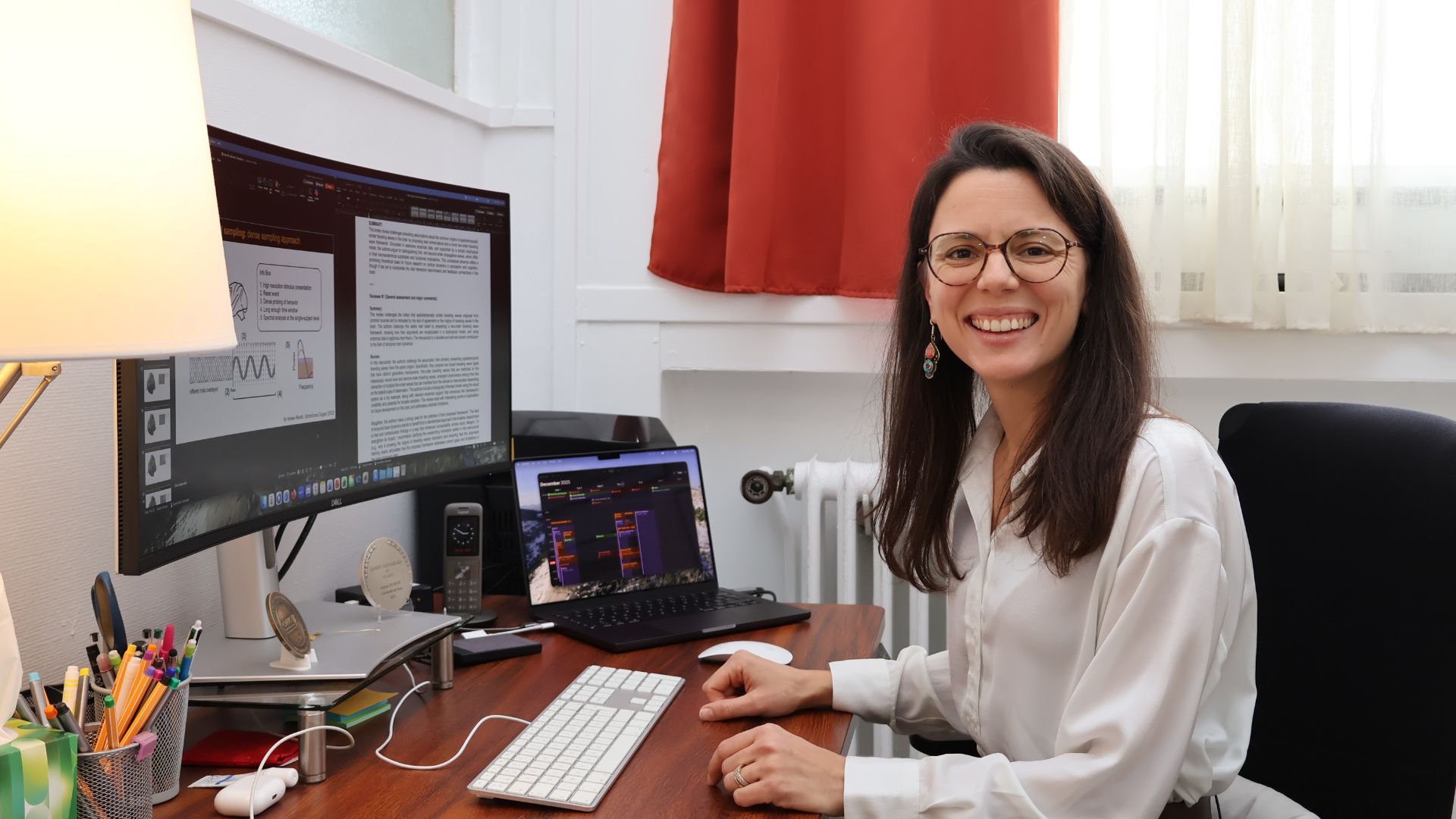
1 woman was rewarded among the 2 projects coordinated at Université Paris Cité.
ERC Starting Grants 2025

3 of the 6 laureates at Université Paris Cité were women.
CNRS Medals 2025
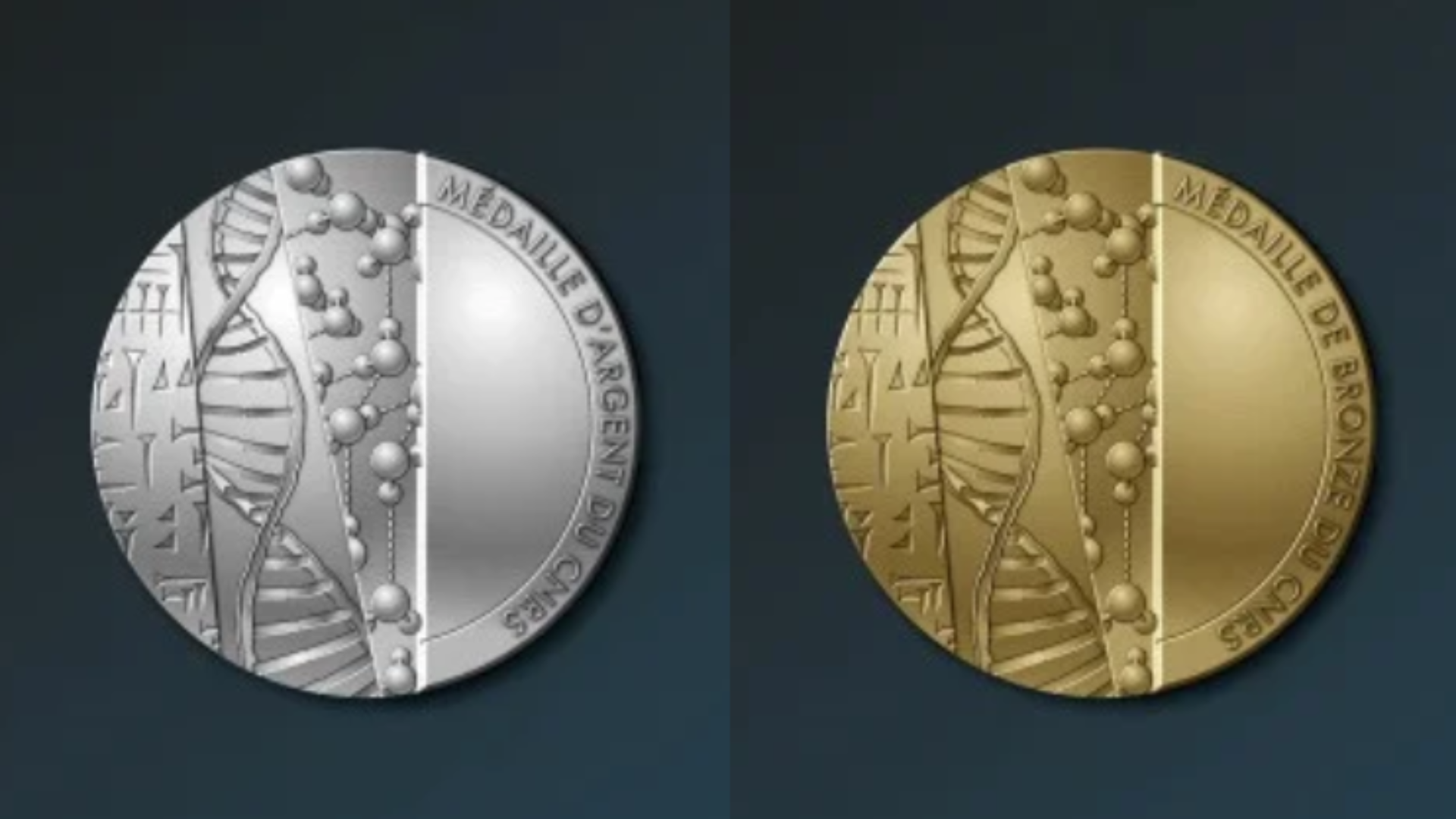
3 women were awarded among the 6 laureates coming from research units of Université Paris Cité.
French Academy of Sciences 2025
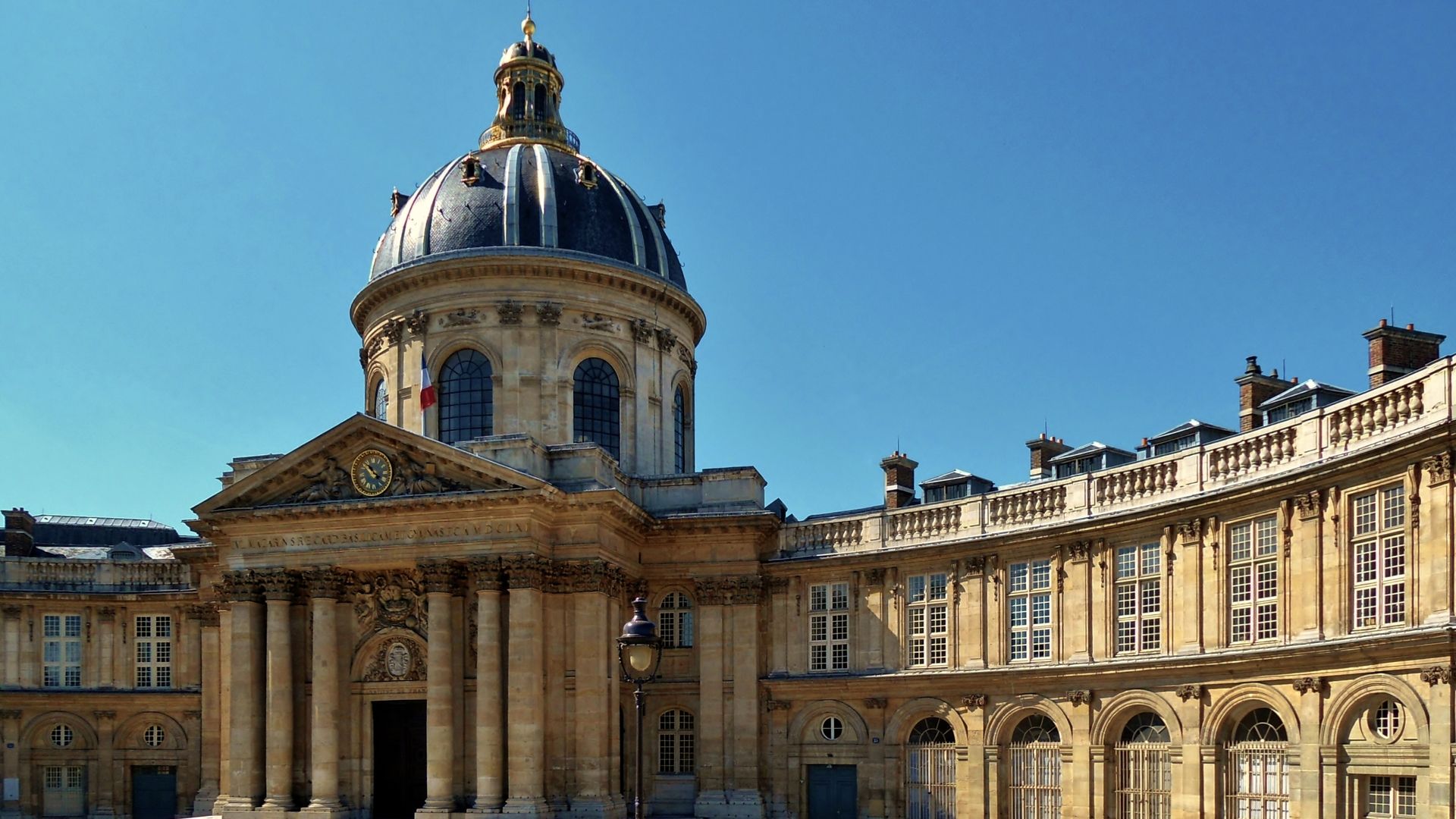
Among the 9 laureates conducting their work in research units at Université Paris Cité, 3 women were given the award.
Gender equality at Université Paris Cité: a dynamic in motion
Data from the latest Single Social Report (2022) shows encouraging progress toward a more balanced representation of women and men at Université Paris Cité. While disparities remain across disciplines, the trends observed reflect a real and promising dynamic for the future.
Today, women make up 53.1% of all staff at Université Paris Cité. In the research community, progress is clearly visible: women account for 43.8% of tenured lecturer-researchers. While parity has not yet been fully achieved, the pipeline is especially promising, with women representing 53.1% of doctoral candidates.
Trends vary by faculty. The Faculty of Societies and Humanities has a female majority, with women comprising 54.1% of tenured lecturer-researchers. At the Faculty of Sciences, gaps remain more pronounced among tenured lecturer-researchers, where women represent 36.7%. In the Faculty of Health, women account for just under 41of tenured lecturer-researchers. While women make up 41.6% of doctoral candidates in the Faculty of Sciences, they are a clear majority in Health programmes (64.4%) and in Societies and Humanities (61.9%). These figures highlight both the progress achieved and the importance of continuing to support women’s access to, guidance within, and advancement in academic careers across all scientific disciplines.
Encouraging scientific aspirations
As part of its commitment to equal opportunities and to promoting scientific careers, Université Paris Cité organises annual initiatives designed to inspire schoolgirls and female students.
The Forum on scientific careers and Health professions (Forum des carrières scientifiques et des métiers de la santé), co-organised with AP-HP and the City of Saint-Ouen, gives secondary-school pupils and their families an opportunity to explore the wide range of pathways and career prospects in these fields. The 2025 edition, held on November 7 and 8, placed a particularly strong emphasis on inclusion and on promoting women in scientific and health careers.
In addition, the “Cordées de la réussite” scheme enables final-year upper-secondary pupils to experience an immersion at the heart of the university, to meet and talk with scientists, and to receive guidance on their orientation and study plans. Led by the Orientation and Professional Development Unit (POP), these actions help inform young people about scientific pathways and foster fair access to higher education.
These events aim to challenge stereotypes, highlight inspiring role models, and support young women in making informed study and career choices.
Two exhibitions to discover in the university libraries
International Day of Women and Girls in Science is also an opportunity to take a historical look at the women who paved the way. On 1 April 2026, the Directorate of Libraries and Museums of Université Paris Cité will open two new exhibitions:
- The first women lawyers: visit the Jeanne-Chauvin University Library (Malakoff) to discover the struggle led by these pioneers of the legal profession
- The first women doctors: head to the Grands Moulins University Library for a deep dive into the history of women in medicine
Open from 1 April to 26 June 2026, these exhibitions shine a light on the battles fought by women in the second half of the 19th century—both in France and across Europe—to gain access to professions traditionally reserved for men, and then to practice these professions independently.
À lire aussi
Prix Jeunes Talents France L’Oréal-UNESCO Pour les Femmes et la Science : Appel à candidatures 2026
La Fondation L'Oréal, en partenariat avec la Commission nationale française pour l'UNESCO et l'Académie des sciences, déclare officiellement ouvert l'appel à candidatures de l'édition 2026 du Prix Jeunes Talents France L'Oréal-UNESCO Pour les Femmes et la Science :...
read more
Suivi des maladies chroniques : un patient sur deux serait ouvert à la téléconsultation
L’étude REACTIVE, coordonnée par la Dre Tiphaine Lenfant et le Pr Viet-Thi Tran et menée par des équipes de médecine interne de l’hôpital européen Georges-Pompidou AP-HP, du centre d’épidémiologie clinique de l’hôpital Hôtel-Dieu AP-HP, de l’Université Paris Cité, de...
read more
Journée internationale des femmes et des filles de science : célébrer celles qui font avancer la recherche
Le 11 février marque la Journée internationale des femmes et des filles de science. À cette occasion, l’Université Paris Cité réaffirme son engagement en faveur de l’égalité femmes-hommes et célèbre le parcours de celles qui font avancer la recherche. Entre un...
read more
Le Collège de l’Académie nationale de médecine : une première promotion marquée par l’engagement de l’Université Paris Cité
Créé en décembre 2023, le Collège de l’Académie nationale de médecine se veut être un lieu d’échanges entre les académiciens et des jeunes médecins, chirurgiens, biologistes, scientifiques, pharmaciens, vétérinaires. Il réunit ainsi 38 jeunes scientifiques, dont 15...
read more