

Each year, the Graduate Schools of Université Paris Cité organize their summer schools, offering unique opportunities for learning, scientific exchange and collaboration. Students, PhD candidates and researchers come together to explore a wide range of topics, bringing together different disciplines and approaches. Let’s take a closer look at four summer schools organized by the Graduate Schools, showcasing the diversity and richness of these summer academic gatherings.
French-German Summer School 2026: a scientific and intercultural immersion into re-emerging diseases
The National Veterinary School of Alfort (EnvA)and the Graduate School One Health-Emerging Infectious Diseases (1H-EID) of Université Paris Cité hosted the 2026 edition of the French-German Summer School. For one week, French academic researchers welcomed students from Germany, Austria, Belgium, France and Switzerland, who came together to explore a shared topic: re-emerging diseases and the One Health approach.
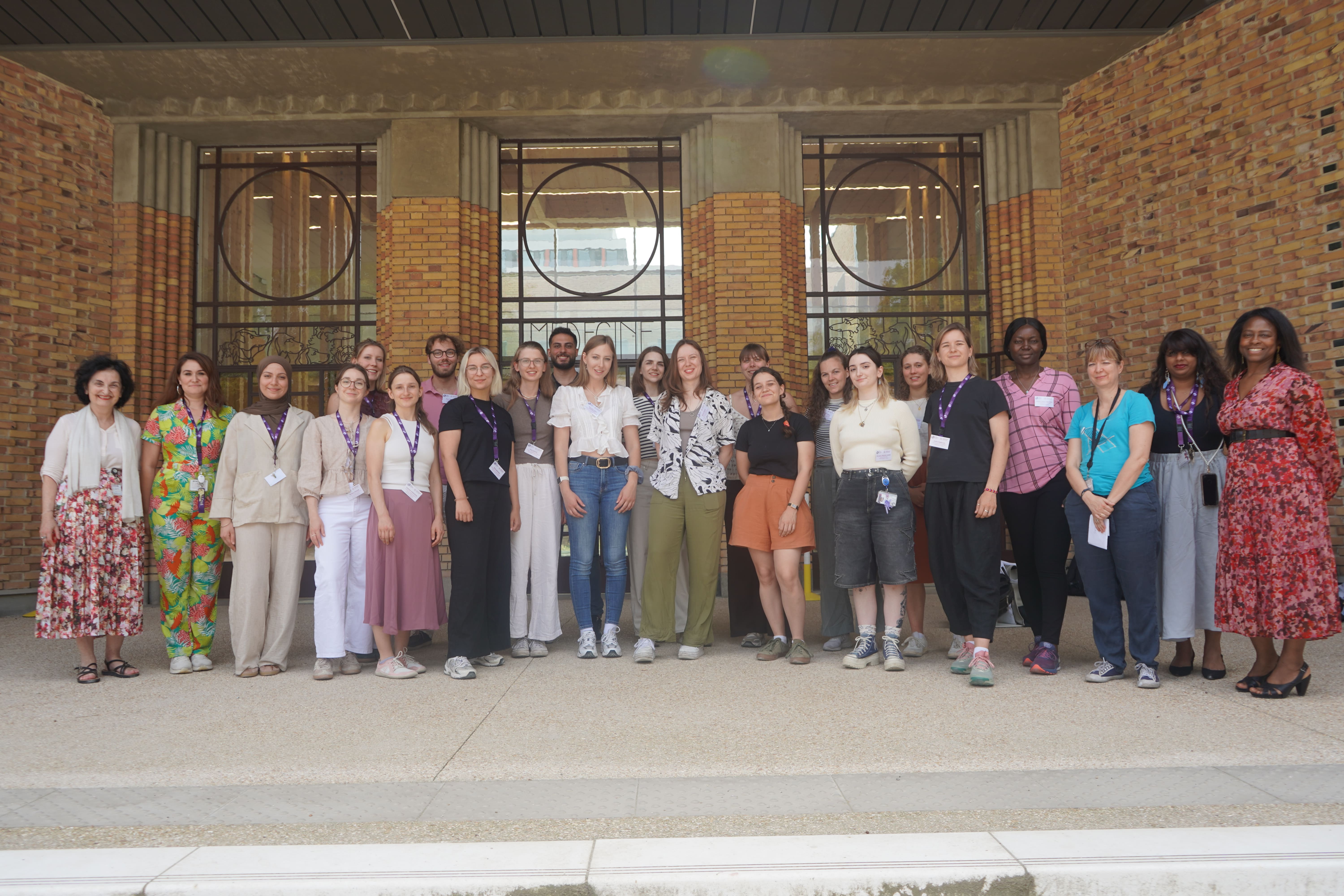
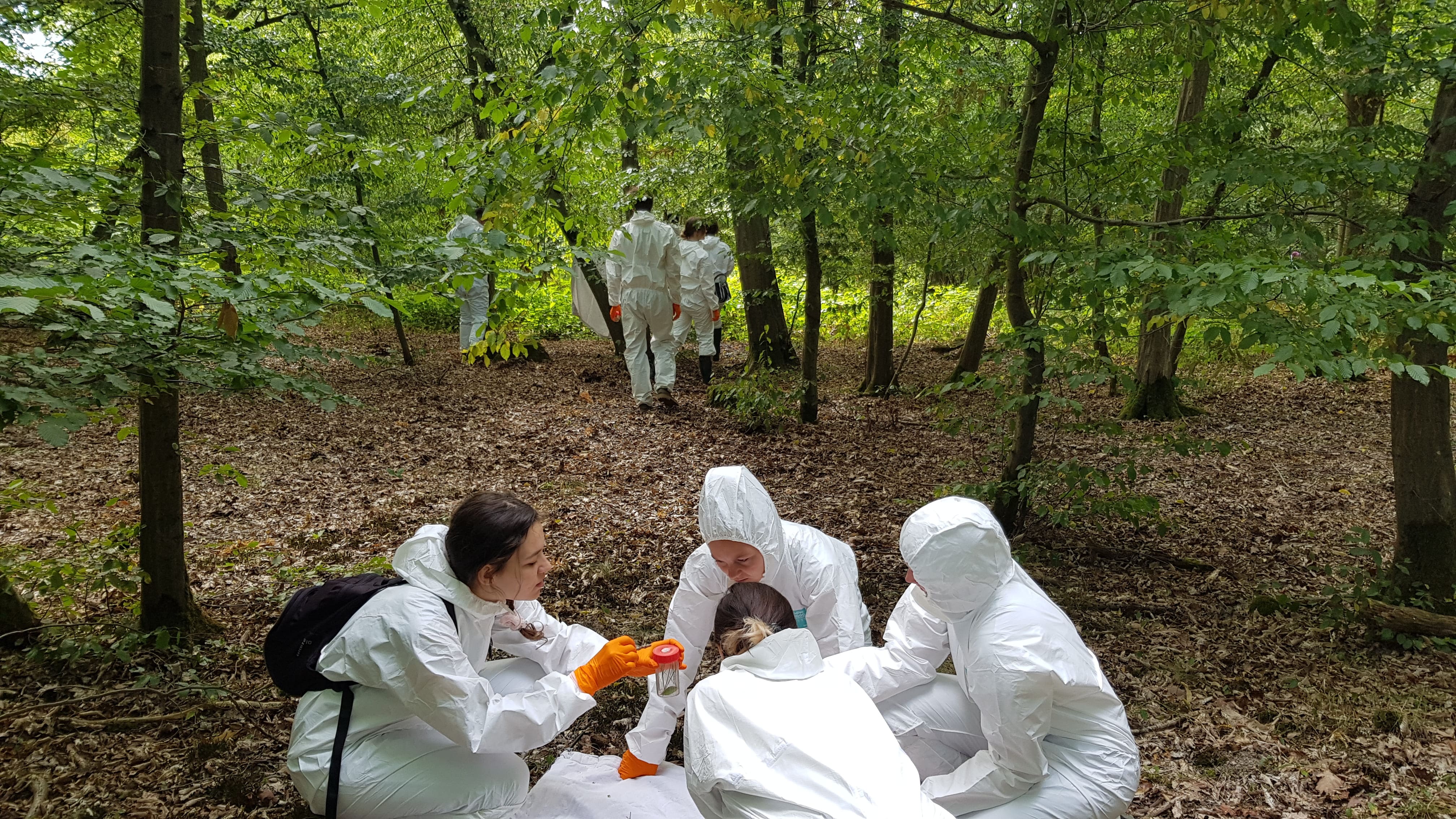
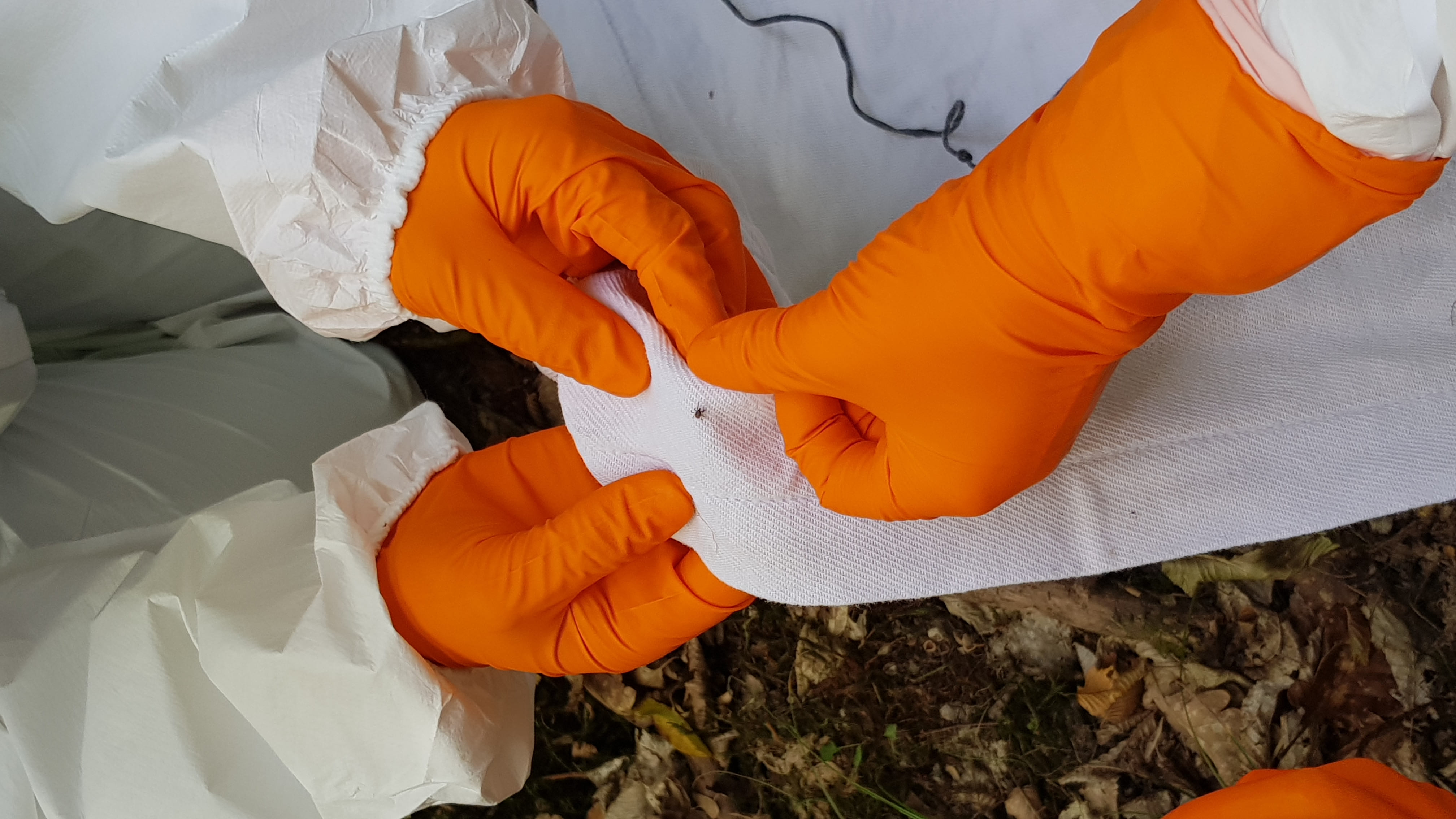
The scientific programme covered a broad range of topics: the challenges posed by disease emergence in a globalized world, zoonoses such as hepatitis E, vector-borne diseases transmitted by ticks and flying insects, and coronavirus-related emergence. Participants also had the opportunity to gain hands-on experience with cutting-edge techniques through practical sessions on RNAscope and tick diagnosis, as well as a field trip to collect ticks in the Sénart Forest.
Beyond the scientific programme, the week also featured a rich sociocultural component, including visits to the Fragonard Museum, research facilities at the Institut Pasteur and the Odéon campus, as well as a cruise on the Seine and a visit to the Museum of the History of Medicine. These activities provided valuable opportunities for cultural immersion and exchange.
“I would tell future students that taking part in these activities is essential, as they offer an opportunity to learn and share ideas and research with other PhD students, whether they are working on similar or different topics. They provide a genuine space for collaboration and constructive feedback. It is a unique opportunity to combine moments of exchange and conviviality with scientific and hands-on fieldwork, making for a rich and varied experience.”
Regine, PhD student at the University of Veterinary Medicine Vienna (Austria), conducting research on the ecophysiology of stopover sites in migratory songbirds.
ExQuaCCo : a summer school exploring new approaches to linguistics
The 2026 edition of the ExQuaCCo summer school, organized by the Graduate School Linguistics, took place in Fréjus at the CNRS Villa Clythia. Designed as a space for exchange between different fields of linguistics, ExQuaCCo brought together specialists in formal, experimental, field and computational linguistics for a series of courses and workshops in English, focusing in particular on computational linguistics, quantitative analysis and experimental research.
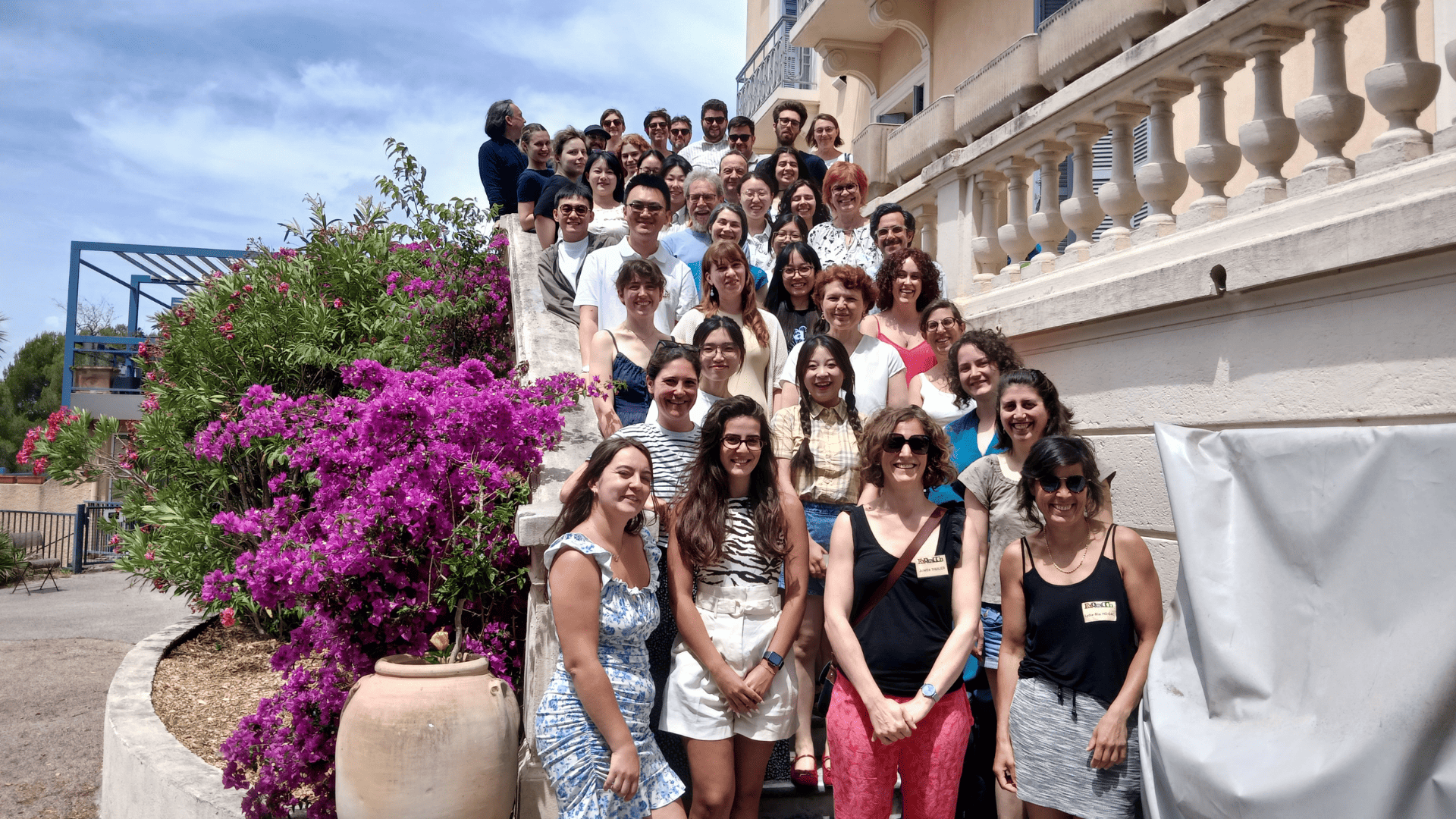
Participants in the ExQuaCCo summer school.
Staying on site, students, PhD candidates, researchers and engineers benefited from a friendly environment that encouraged the development of new collaborations among linguists.
“This experience was very enriching for me. The flexibility of the programme, with its “à la carte sessions”, allowed everyone to build a learning path suited to their needs and to the diversity of their research topics. Beyond the seminars, the stay encouraged exchanges between PhD candidates and researchers from different backgrounds, giving us the opportunity to discuss our research and broaden the scope of our work. Discussions continued during informal gatherings, particularly over lively games of “Mots de passe”, which proved especially competitive among the linguists! I am leaving with skills that will be very useful for my future research, new contacts within the linguistics community and wonderful memories.”
Antonio Brăileanu, PhD candidate.
AMR Horizons 2026: three days to rethink antimicrobial resistance
The Graduate Schools Antimicrobial Resistance and One Health – Emerging Infectious Diseases brought together researchers, healthcare professionals, representatives from the industrial sector, and students in Paris around a shared challenge: antimicrobial resistance, identified by the World Health Organization as one of the leading threats to public health in the 21st century.
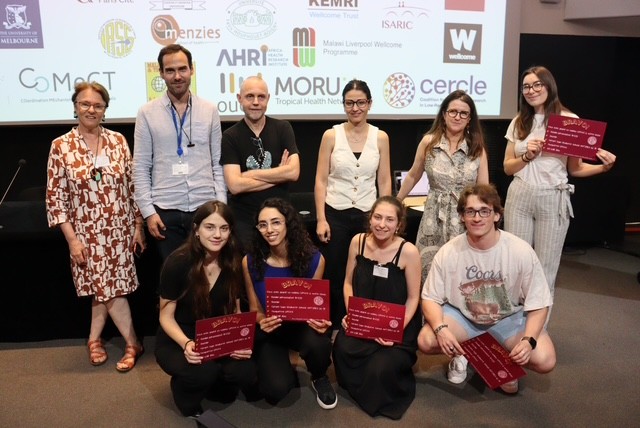
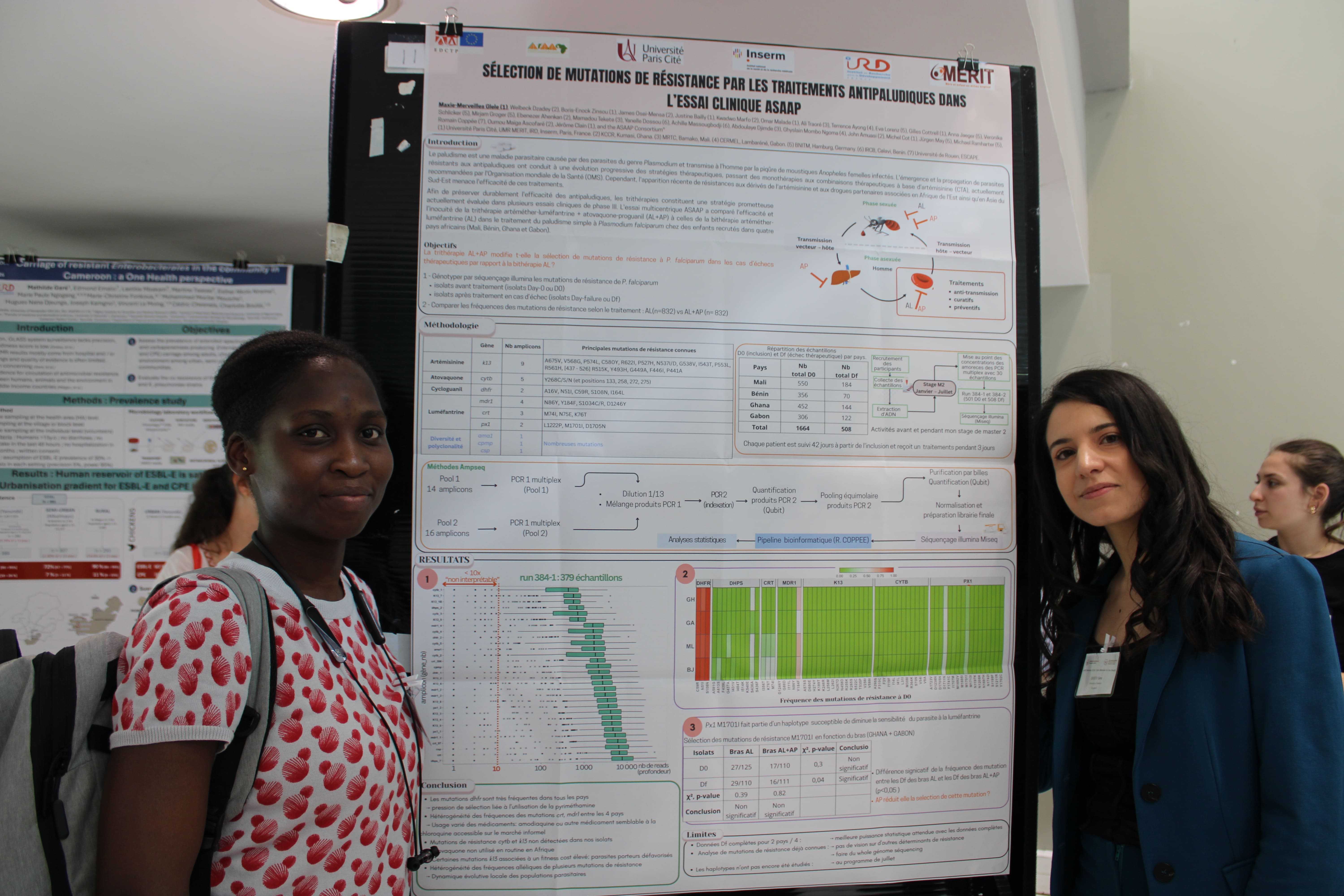
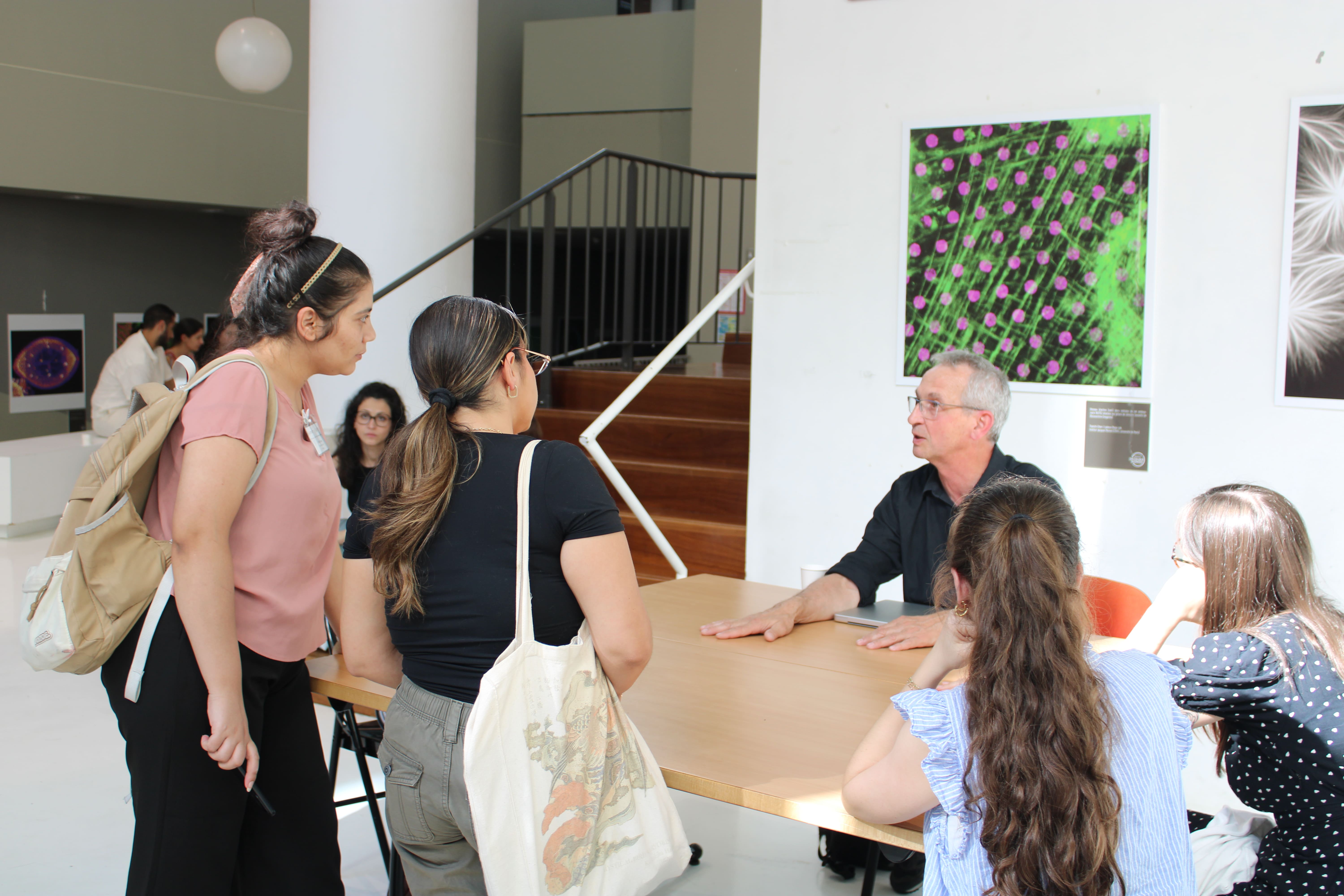
Entitled “AMR Horizons 2026: From Molecules to One Health”, this summer school offered a comprehensive scientific programme, ranging from the molecular mechanisms of antimicrobial resistance to its global, epidemiological and interdisciplinary dimensions. At the heart of the One Health approach, discussions focused on new strategies for preventing and treating infections, as well as on the links between human, animal and environmental health, with a view to better anticipating tomorrow’s health challenges.
Participants also had the opportunity to discover the work of early-career researchers through presentations and poster sessions, and to take part in a scientific speed-dating session designed to foster connections and networking.
« The Summer school on antimicrobial resistance (AMR) was a highly enriching experience. It provided a great opportunity to meet and discuss with experts and participants from different scientific backgrounds, which helped me gain new perspectives. As a virologist, I especially appreciated the broad and multidisciplinary approach to AMR, which made the program both accessible and relevant, allowing me to explore topics beyond my own field. » Rebecca Kanaan, participant
Migrations and Globalization: exploring health and mobility from different perspectives
Supported by the Graduate School Society & Health, the Migrations and Globalization summer school offers early-career researchers an opportunity for training, scientific exchange and networking around research on human mobility.
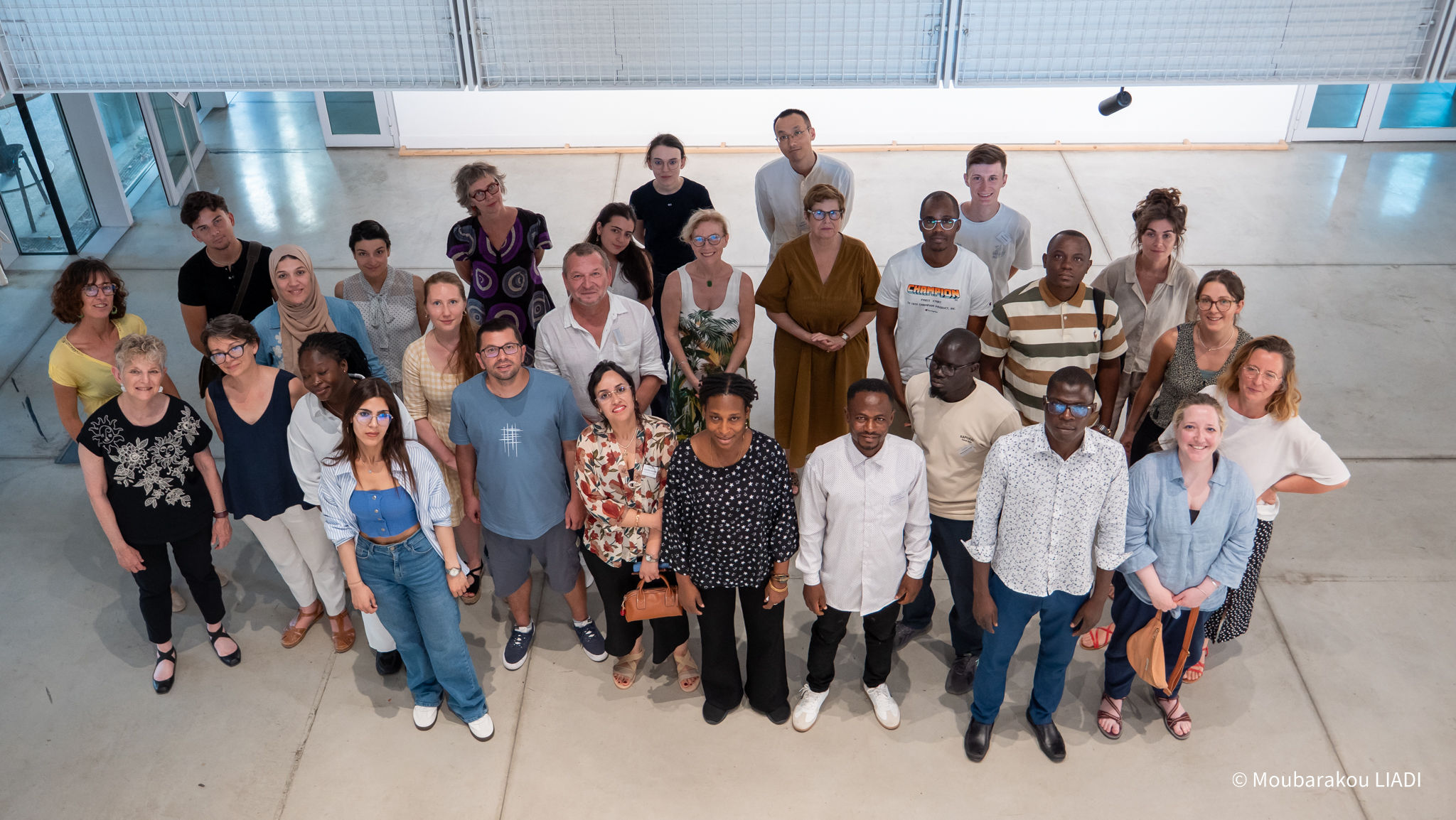
Participants in the Migrations and Globalization summer school.
© Moubarakou LIADI
Organized for several years, the summer school takes a comprehensive approach to migration, exploring the journeys and experiences of migrants in places of origin, transit and destination, while encouraging the exchange of methods and perspectives on migration processes.
This year’s edition explored the links between migration and health, addressing topics including access to healthcare, inequalities and discrimination throughout healthcare journeys, as well as mobility driven by the search for medical care and the pursuit of careers in the health sector.
Over the course of one week, around thirty PhD candidates from different parts of the world exchanged ideas with some fifteen researchers from a range of disciplines through lectures, workshops and collective discussions on migration-related issues.
“This summer school allowed me to deepen my knowledge through a variety of presentations related to my research topic, which focuses on the integration of newly arrived migrants and issues of acculturation and health. The discussions with the speakers, who were very approachable and available, also provided me with valuable insights for my thesis. The excellent atmosphere within the group of PhD candidates enabled us to share our research and discover different studies being conducted internationally on the theme of Health and Migration.”
Charles Tainturier, PhD candidate at the CEPED
Read more
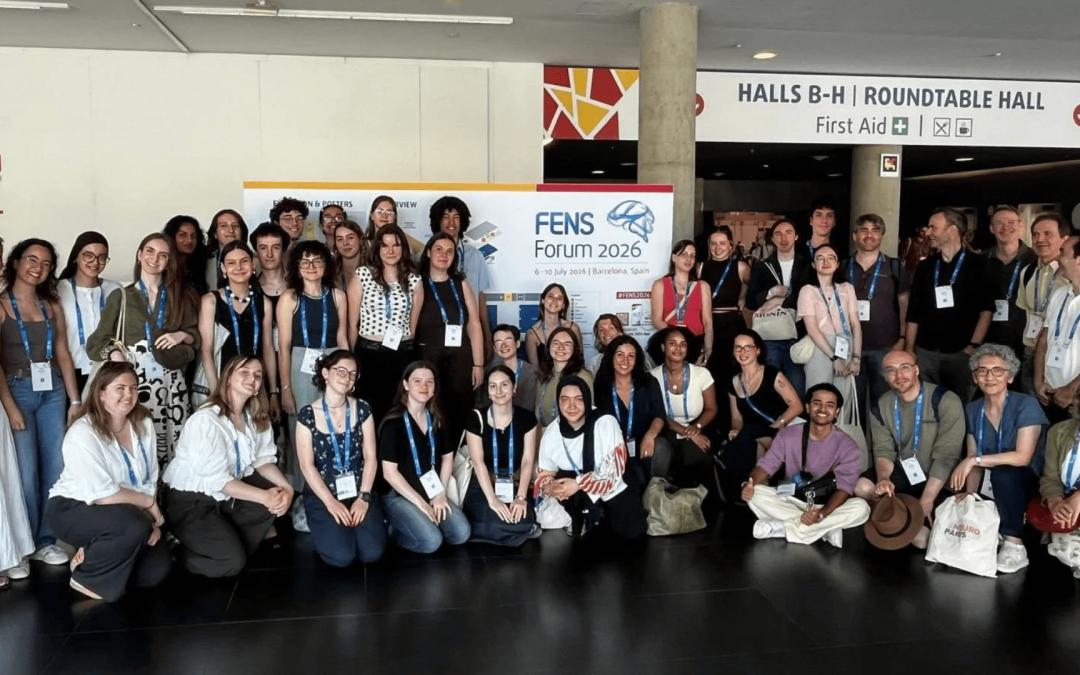
FENS 2026: Graduate School Neuroscience students at the heart of international research
This summer, 25 Master's students from Université Paris Cité's Neuroscience Graduate School attended the FENS (Federation of European Neuroscience Societies) Forum 2026 in Barcelona, Europe's leading neuroscience conference. This was a unique opportunity to immerse...
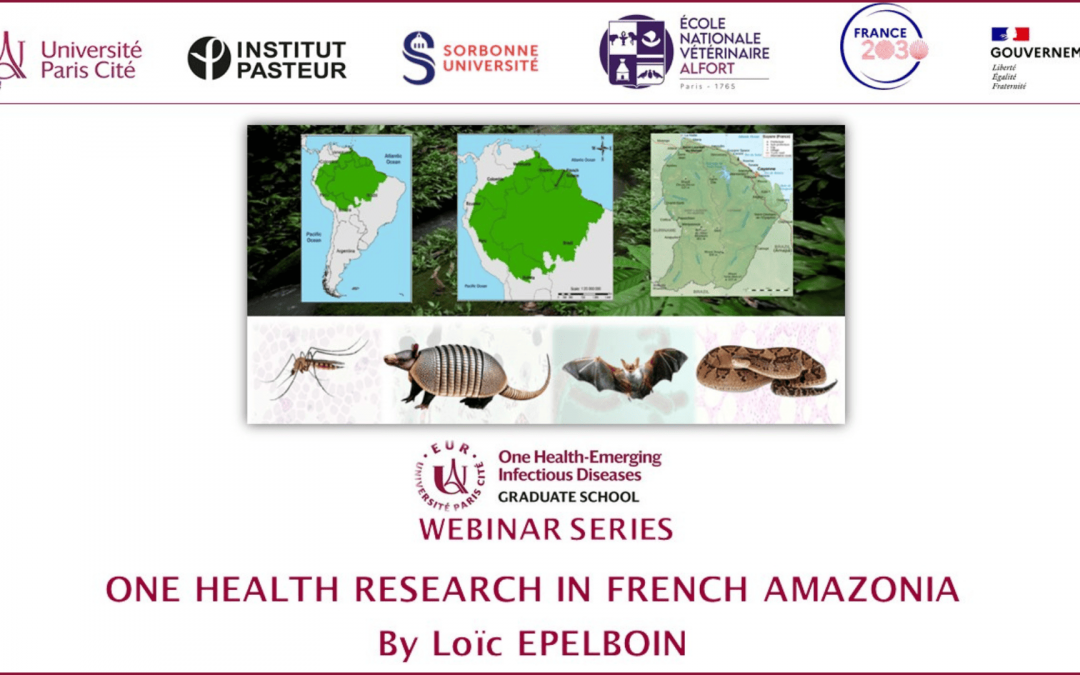
The Amazon, Viruses, and Vampires: what a year of One Health-Emerging Infectious Diseases webinars revealed to the world
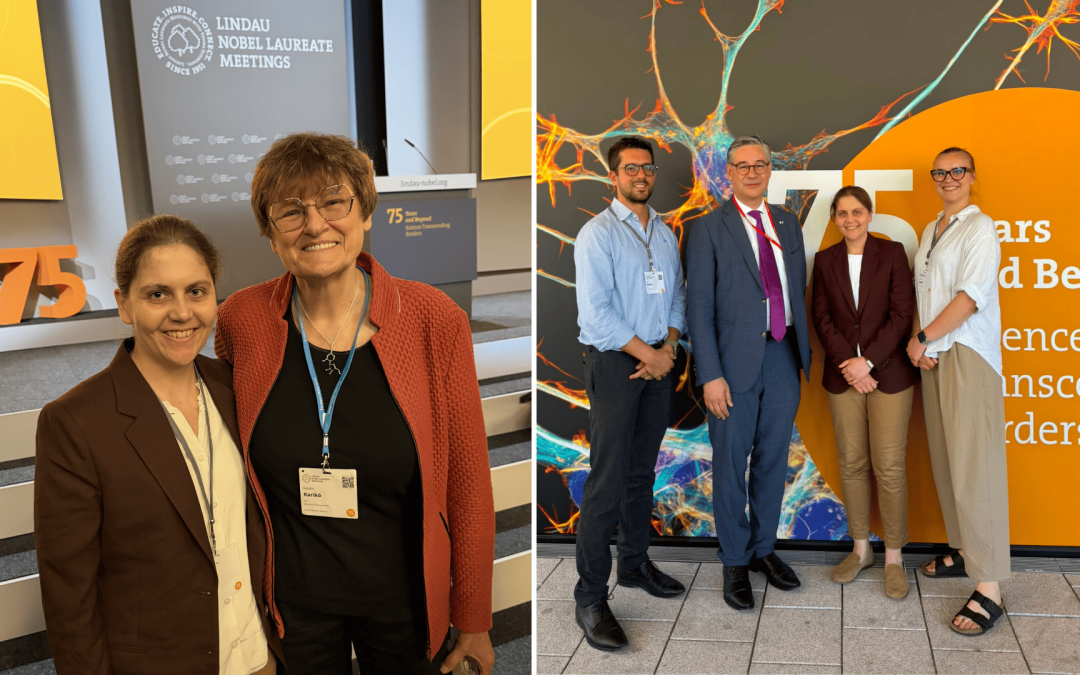
Lindau Nobel Laureate Meetings: an “extraordinary” week at the heart of scientific excellence, as told by two young researchers from UPCité
Thanks to the support of the SMARTS-UP Graduate Schools programme, Federica Namor, a PhD student at the Saint-Louis Research Institute (IRSL – Université Paris Cité/Inserm) and Marie Robert, a young doctor from the Center for Research on Inflammation (CRI – Université...
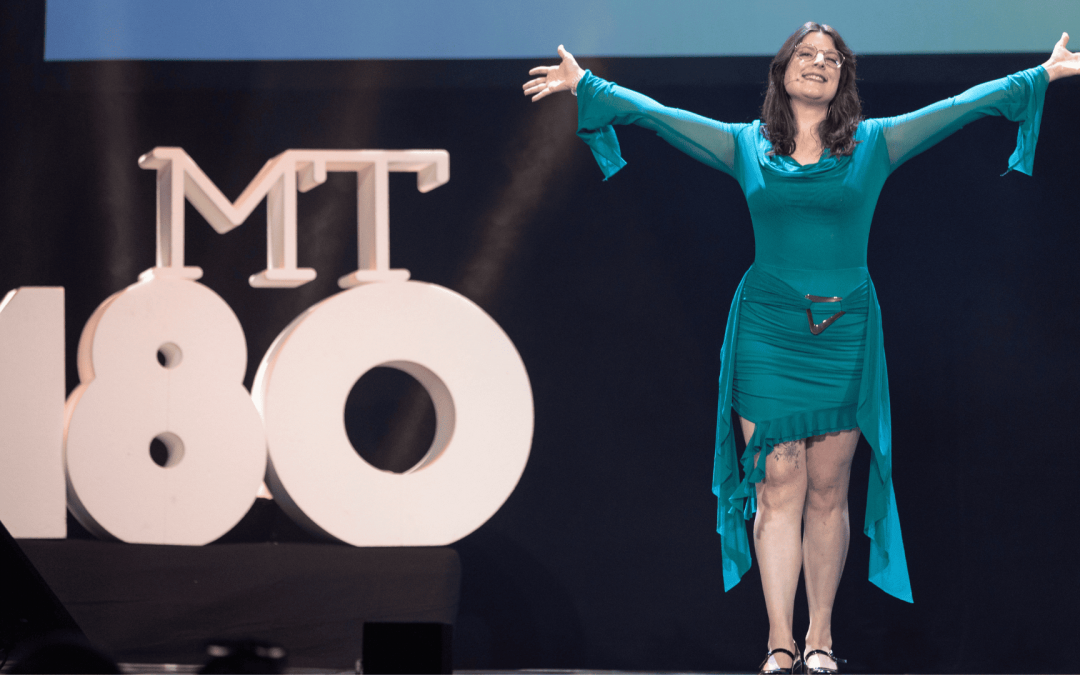
Antimicrobial resistance: doctoral researcher Yaëlle Wormser explores a new lead to speed up tuberculosis research
Antibiotic resistance represents one of the greatest health threats of our time. Through her research, Yaëlle Wormser, a doctoral researcher within the university's Antimicrobial Resistance Graduate School and winner of the "Ma thèse en 180 secondes" competition,...