

Five years after their launch, the University’s Graduate Schools are reporting a very positive initial assessment. A true strategic lever for the University, the Graduate Schools offer master’s and doctoral programmes centred on transdisciplinary research and strongly oriented towards the international stage, fully embodying the University’s “Planetary Health” signature.
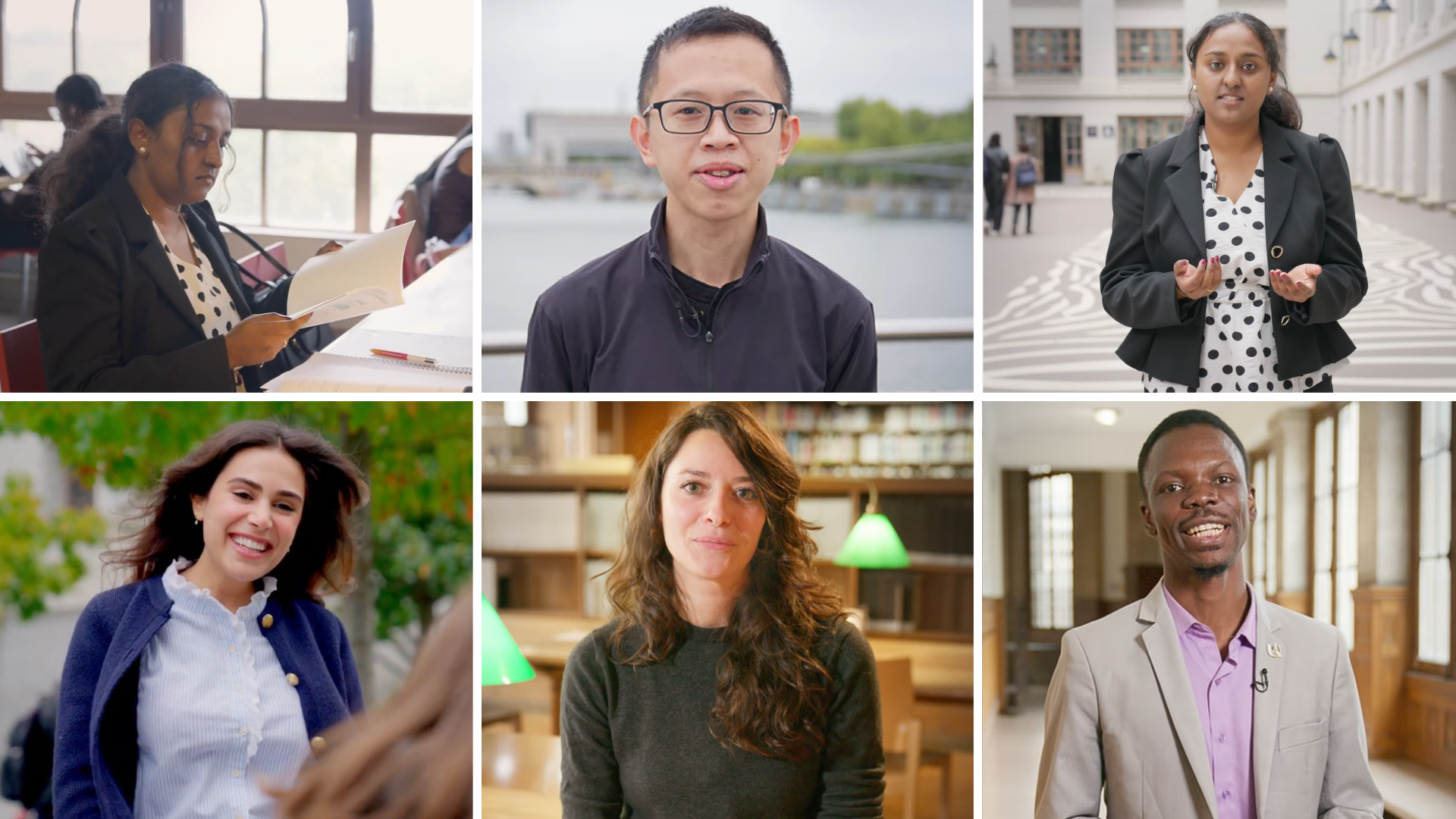
Click on the image to watch video testimonials from Graduate Schools students.
Graduate Schools: what does it mean?
“Graduate Schools are an essential mechanism for showcasing UPCité’s disciplinary excellence and its interdisciplinary dynamic. By displaying the strength of the master-doctorate continuum and the importance of training by and for research, the Graduate Schools position UPCité at the highest international standards.” Édouard Kaminski, President of Université Paris Cité
The Graduate Schools aim to enhance the University’s attractiveness, notably by strengthening the internationalisation of programmes, the master’s-to-doctorate continuum, and the development of students’ transversal skills. They are built around four founding pillars: education, research, internationalisation, and interdisciplinarity.
Programmes by and for research
Graduate Schools bring together federations of Master’s programmes, Doctoral Schools and research units around shared research themes. By fostering and promoting synergies, they offer students a clear, coherent and comprehensive academic pathway, from the first year of a master’s degree through to the doctoral level.

Last year, UPCité’s Graduate Schools covered two-thirds of the University’s master’s programmes (representing more than 5,000 students) and all of its Doctoral Schools (more than 2,200 PhD candidates).
“SMARTS-UP and the additional co-funding provided through the IdEx of Université Paris Cité have enabled the creation and coordination of thirty Graduate Schools, which now cover almost all research-oriented programmes at the University as well as all Doctoral Schools. The Graduate Schools at Université Paris Cité bring together programmes that are closely related yet distinct, create interfaculty synergies, and make our educational offer more visible and understandable for international students. In the coming years, our objective will be to improve, strengthen and sustain this initiative.” Matteo Cacciari, Project Officer for the structuring of research-based education and Scientific and Technical Coordinator of the SMARTS-UP project.
A transversal and transdisciplinary approach
Today, the University has 30 Graduate Schools, distributed across its three major thematic areas: 13 in life sciences, 6 in physical sciences and engineering, and 11 in the social sciences and humanities. More than half of them operate across faculties.
The University’s Graduate Schools and their links with the three faculties and IPGP:
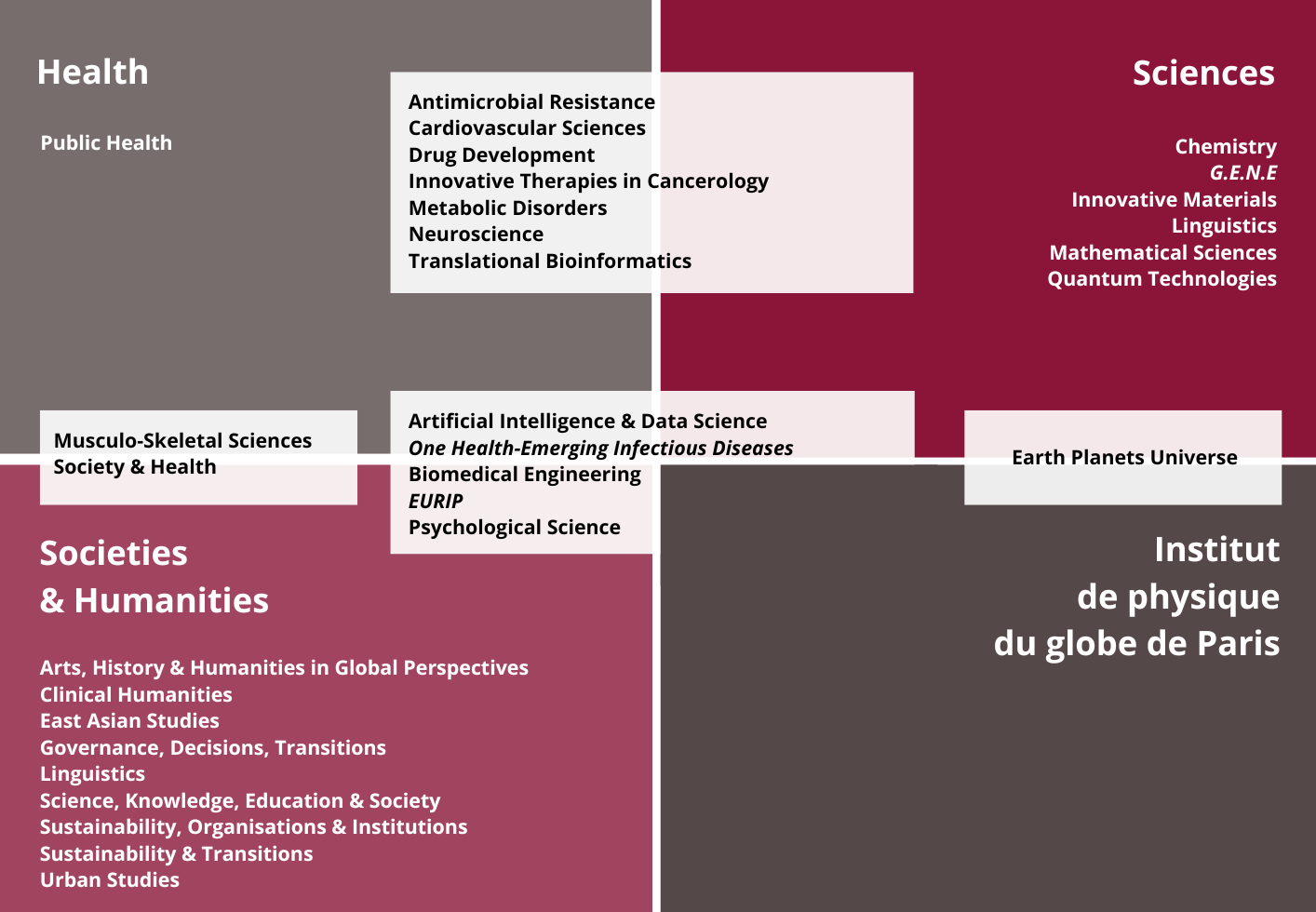
These master’s and doctoral programmes are designed to provide transversal education grounded in multidisciplinary research, preparing students to address today’s major scientific challenges.
Programmes open to the world
Graduate Schools represent a key strategic driver of the University’s attractiveness, reflecting its academic excellence, transdisciplinary approach and cutting-edge research, particularly on the international stage.
They support the internationalisation of master’s programmes by awarding incoming mobility scholarships to the best international students, as well as outgoing mobility grants enabling Graduate Schools master’s students to undertake internships abroad.
At the doctoral level, the programme offers international doctoral contracts to attract talents from around the world and also funds outgoing mobility grants, giving PhD candidates the opportunity to conduct part of their research abroad.
The Concrete Impact of Graduate Schools
Since 2021, the Graduate Schools have played a central role in the University’s transformation, promoting pedagogical innovation, international openness, and stronger links between education and research. Numerous actions have been developed to support the University’s ambitions:
Implementation of Innovative Teaching Methods
Within the programmes, various initiatives such as applithons, summer schools, field projects, and intensive research initiation programmes have been introduced. These projects enable students to collaborate, solve complex problems, and develop highly sought-after transversal skills.
Throughout their studies, students can also benefit from interdisciplinary modules offered by other Graduate Schools, broadening their academic perspectives.
Boosting International Attractiveness
The Graduate Schools attract an increasing number of international students each year, with strong growth in applications for incoming mobility scholarships. In 2026, over 3,100 applications were received (for around 200 places), representing a fivefold increase since the programme’s inception!
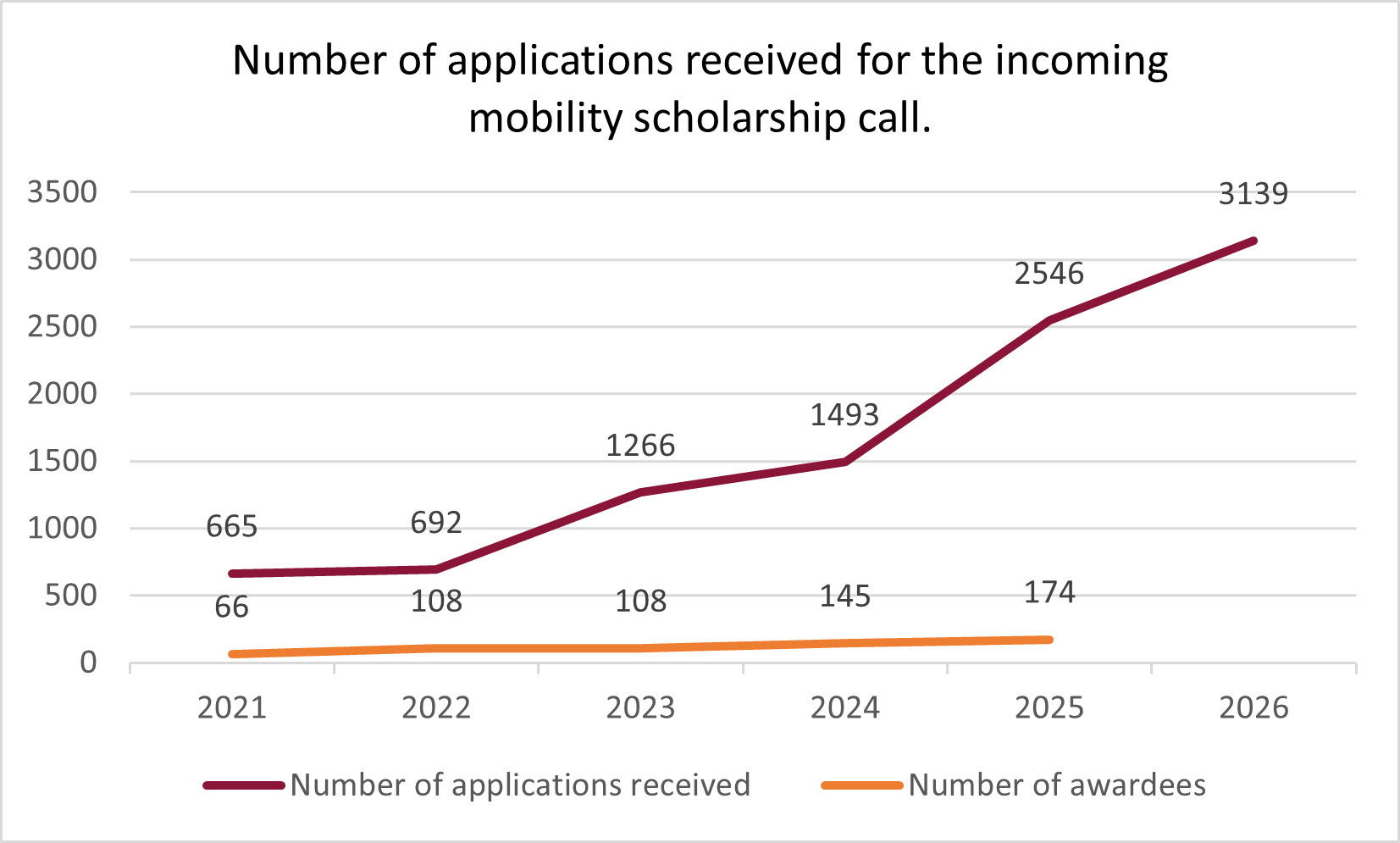
Since their launch, the Graduate Schools have funded:
-
450 master’s students and 82 PhD candidates awarded outgoing mobility grants to study abroad in 51 different countries.
-
600 international students awarded incoming mobility scholarships.
These mobility programmes have enhanced the career prospects of UPCité students and researchers, while increasing the University’s international visibility.
Expanding the internationalisation of programmes and academic partnerships
As a symbol of the University’s global openness, the Graduate Schools offer numerous master’s programmes taught in English, promoting intercultural exchange and the internationalisation of education.
Some Graduate Schools have also established strategic partnerships with other universities to develop international programmes, such as the Graduate School of Chemistry with the University of Pisa, or the Graduate School on Sustainability, Organisations and Institutions with the UNESCO Chair at the University of Manouba in Tunisia, facilitating student exchanges.
Anchoring in an interdisciplinary research environment
The Graduate Schools are fully integrated into the University’s interdisciplinary research ecosystem. They give students access to cutting-edge training in their fields, while enabling participation in interdisciplinary research communities.
Currently, 14 InIdEx projects (out of 19) are associated with the Graduate Schools, further strengthening the integration of research and education and broadening opportunities for students.
What’s next?
The Graduate Schools are entering a consolidation phase aimed at strengthening their strategic role within the University to support academic excellence and train tomorrow’s talent.
By bringing together research units, interdisciplinary networks, and innovative educational initiatives, they will continue to reinforce the connection between research and education, foster a genuine culture of interdisciplinarity, and attract top international students to our University.
Read more
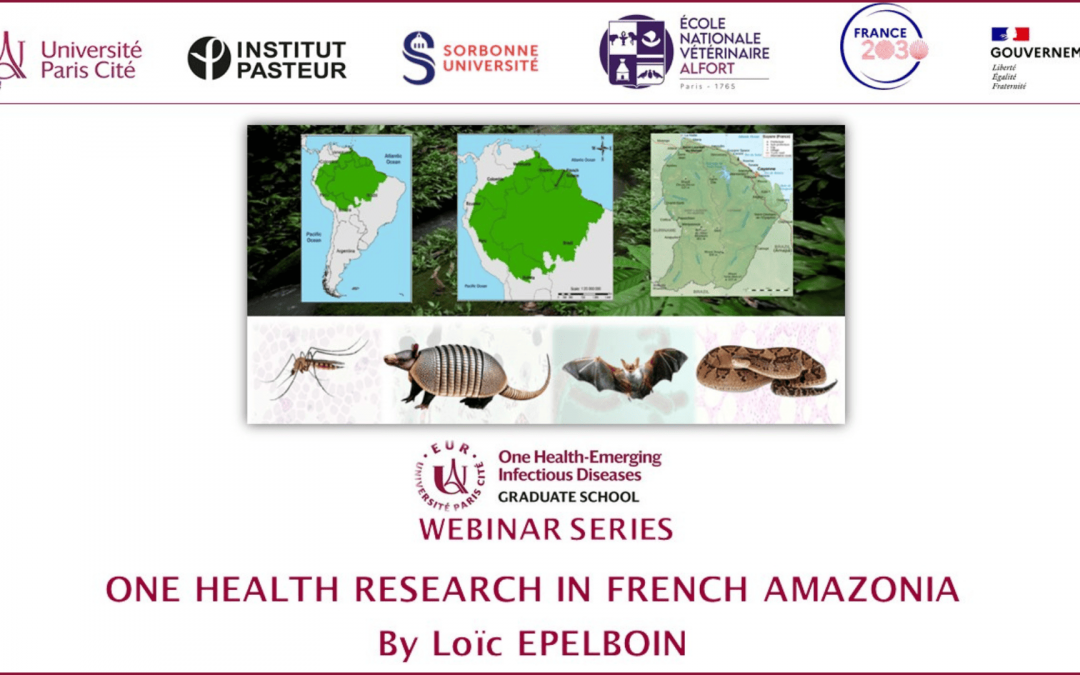
The Amazon, Viruses, and Vampires: what a year of One Health-Emerging Infectious Diseases webinars revealed to the world
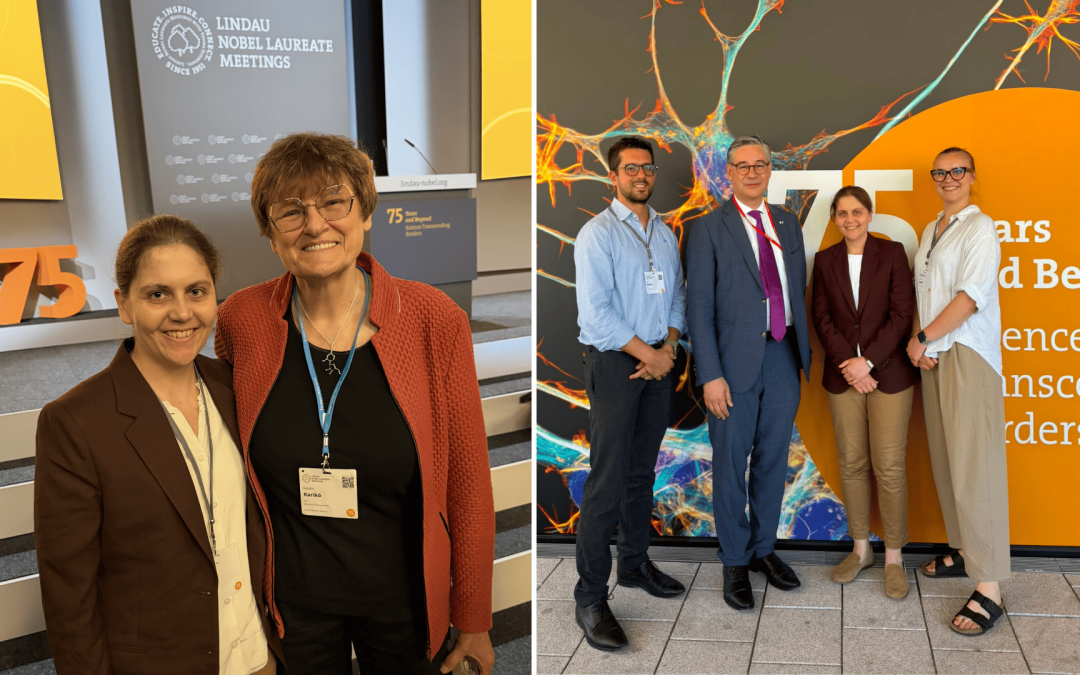
Lindau Nobel Laureate Meetings: an “extraordinary” week at the heart of scientific excellence, as told by two young researchers from UPCité
Thanks to the support of the SMARTS-UP Graduate Schools programme, Federica Namor, a PhD student at the Saint-Louis Research Institute (IRSL – Université Paris Cité/Inserm) and Marie Robert, a young doctor from the Center for Research on Inflammation (CRI – Université...
read more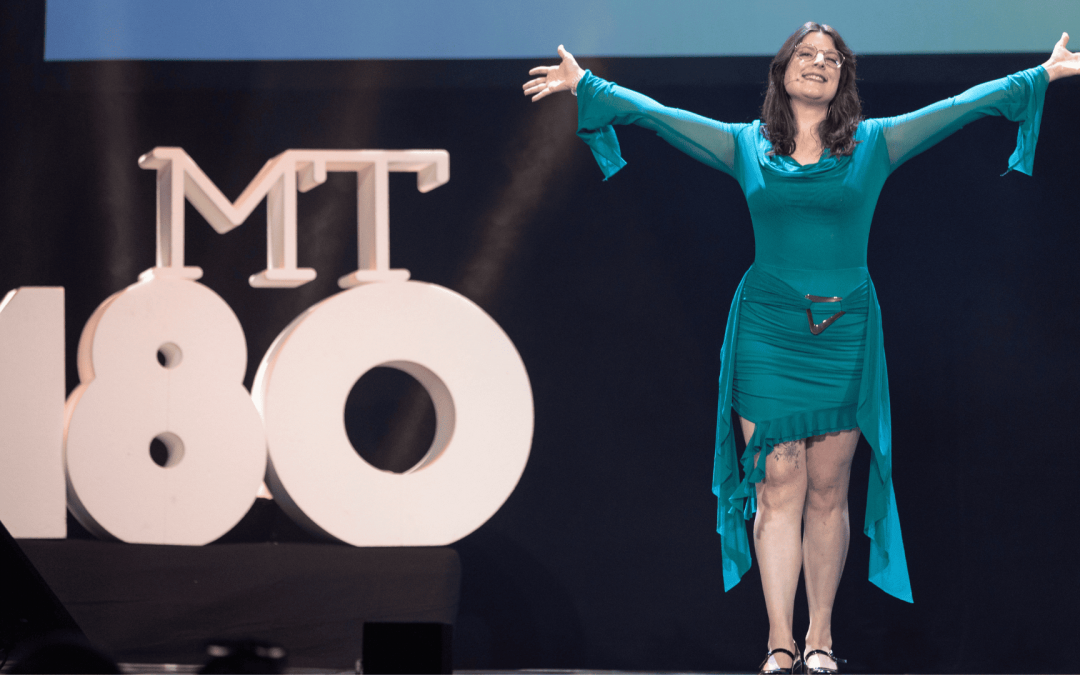
Antimicrobial resistance: doctoral researcher Yaëlle Wormser explores a new lead to speed up tuberculosis research
Antibiotic resistance represents one of the greatest health threats of our time. Through her research, Yaëlle Wormser, a doctoral researcher within the university's Antimicrobial Resistance Graduate School and winner of the "Ma thèse en 180 secondes" competition,...
read more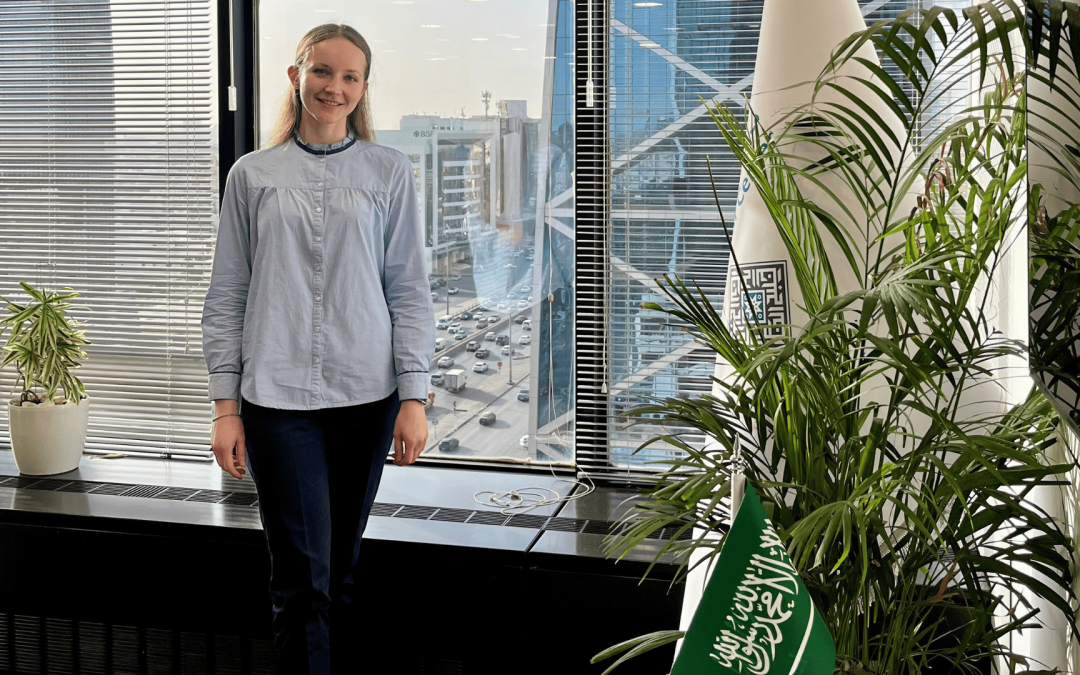
Breaking Away from Hydrocarbon Dependence: A PhD Student Analyzes Gulf States’ Strategies Amid Regional Crisis
As part of her doctoral research, Tamara Uspenskikh, a PhD candidate affiliated with the Graduate School Sustainability, Organisations, Institutions at the university, analyses the economic diversification strategies of the Gulf Cooperation Council (GCC) states in...
read more