

Cardiovascular and Blood Sciences
The Graduate School of Cardiovascular & Blood Sciences offers multidisciplinary training for and through cardiovascular research and integrates all levels of research: from the fundamental approach to the last clinical development in the cardiovascular field.
Presentation
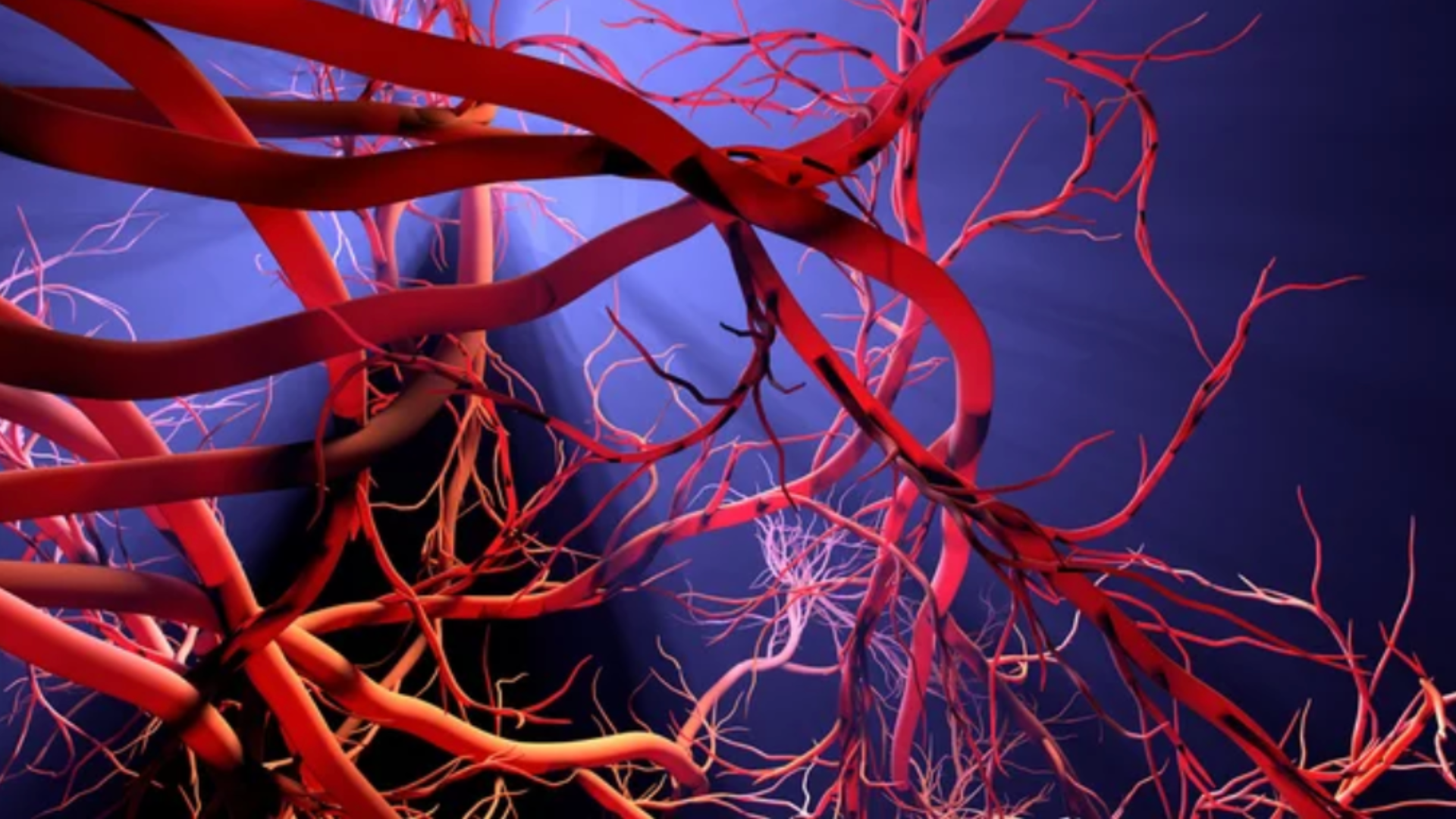
The Graduate School of Cardiovascular & Blood Sciences (CVBS) offers an innovative and cross-disciplinary educational approach to the circulatory system. Moving beyond the traditional view of a purely mechanical network, the Graduate School considers the cardiovascular system as a dynamic ecosystem.
Our students explore the complex interactions between the heart, blood vessels, and blood components (red blood cells, platelets, leukocytes). From molecular physiology to the most advanced clinical approaches, the program covers the full spectrum of pathologies: thrombosis, hemostasis, cardiac and vascular diseases, as well as non-malignant hematology.
Ambition
The ambition of the Graduate School is to build a unique center of excellence in Europe. By bringing together historically separate disciplines, we train the future leaders of research and translational medicine.
Our mission is to realign higher education with the systemic biological reality: understanding how blood and in particular red blood cells, in organic connection with all organs regulates cardiac, inflammatory, and metabolic diseases. We aim to address major public health challenges.
Objective
The Graduate School’s curriculum offers an integrated, multidisciplinary training pathway from Master’s to PhD level:
- Biological Expertise: Master platelet physiology, hemostasis, vascular and cardiac physiology, as well as red blood cell biology (a key factor in cardiovascular prognosis).
- Technological Mastery: Explore innovative approaches in cell and gene therapies, precision diagnostics, and imaging.
- Cutting-Edge Research: Train in project design, scientific ethics, and high-level publication within internationally renowned laboratories.
- Breaking Silos: Foster interdisciplinarity through joint thematic schools with Graduate Schools in genetics, inflammation, public health, and bioinformatics.
- Societal Engagement: Integrate ethical dimensions and patient perspectives (in partnership with the humanities and social sciences).
- Career Development: Support integration into leading academic networks and strategic industry partnerships.
Contact
Dr Giuseppina CALIGIURI
giuseppina.caligiuri@inserm.fr
Dr Jean-Sébastien SILVESTRE
jean-sebastien.silvestre@inserm.fr
Pr Caroline LE VAN KIM
caroline.le-van-kim@inserm.fr
Masters
The Graduate School of Cardiovascular & Blood Sciences is open to students in science, medicine, or pharmacy who are interested in vascular and cardiac pathophysiology, as well as red blood cell pathophysiology. A good command of both French and English, spoken and written, is recommended.
Master 2 courses:
- Molecular and Cellular Biology
- Integrative Biology and Physiology
- Biology, Physiology and Pharmacology of Respiration and Sleep Track (B2PRS)
- Biology of Aging Track (BioVie)
- Epithelia: Interface Structures Track (ESI)
- Nutrition, Energy Metabolism, Signaling Track (NuMeSi)
- Reproduction and Development Track (ReproDev)
- Cardiovascular Sciences Track (M2SC)
- Red Blood Cell and Transfusion Biology Track
- History and Philosophy of Science
- Magistère in Genetics
- Bioinformatics
Research
The research of the Graduate School of Cardiovascular & Blood Sciencesis notably driven by the Cardiovascular Sciences Institute (established in 2021), which brings together more than 30 teams affiliated with INSERM and CNRS. It also builds on the synergy of two excellence initiatives at Université Paris Cité: the IdEx CITY (dedicated to cardio-inflammation) and the Labex GR-Ex (a leading reference in red blood cell physiology and pathology).
The excellence of our work, at the interface between the heart, vessels, and blood, is recognized through prestigious funding (ERC, ATIP-Avenir) and strong international visibility (partnerships with Cambridge, Harvard, and the Circle U Alliance).
The originality of our research cluster lies in placing blood and particularly the red blood cell at the core of systemic pathophysiology. Our research is structured around five major axes:
- Deciphering genetic and molecular dialogues: Understanding the cellular mechanisms and genetic determinants governing the development, physiology, and pathology of the cardiovascular system, hematopoiesis, and blood cell lineages.
- The red blood cell as a central player in the vascular ecosystem: Exploring how the mechanical, metabolic, and signaling properties of erythrocytes influence tissue perfusion, oxidative stress, and cardiac function, beyond their role in oxygen transport.
- Interfaces and systemic stress (Hypoxia, Inflammation, Exercise): Studying interactions between blood cells and vessel walls (endothelium) under major stresses such as hypoxia, thrombo-inflammation, or mechanical constraints related to physical activity.
- Diagnosing and predicting: Improving patient diagnosis and prognosis through epidemiological and genetic approaches, the identification of innovative biomarkers (clonal hematopoiesis, anemia), and advanced functional exploration.
- Visualizing, repairing, and treating: Developing innovative therapies (pharmacological, cellular, and gene-based) and cutting-edge medical devices, while advancing cardiovascular imaging to optimize clinical care.
Executives
- Dr Giuseppina CALIGIURI
LVTS – Université Paris Cité - Dr Jean-Sébastien SILVESTRE
PARCC – Université Paris Cité - Pr Caroline LE VAN KIM
BIGR – Université Paris Cité
Read more

Call for Interdisciplinary Research Proposals: Sciences Po & Université Paris Cité 2026
As part of the partnership between Université Paris Cité and Sciences Po, a new call for proposals has been launched to identify large-scale, interdisciplinary and collaborative research projects addressing major contemporary issues. This call will take place in two...
A journey to self discovery – the story of a Circle U. Student Fellow
What if one conference could change the direction of your studies and make you rethink what you want to do with your future? This is the story of Emma, who discovered a new path through an unexpected Circle U. opportunity. Her experience is a reminder of the value of...
Université Paris Cité stands out once again in the 2026 Shanghai thematic ranking
The Shanghai Global Ranking of Academic Subjects (GRAS) has just unveiled its results for the 2026 edition on Tuesday 15 September. Université Paris Cité has excelled by being ranked in 26 disciplines - including 10 in the global top 50 - and by achieving 1st place in...
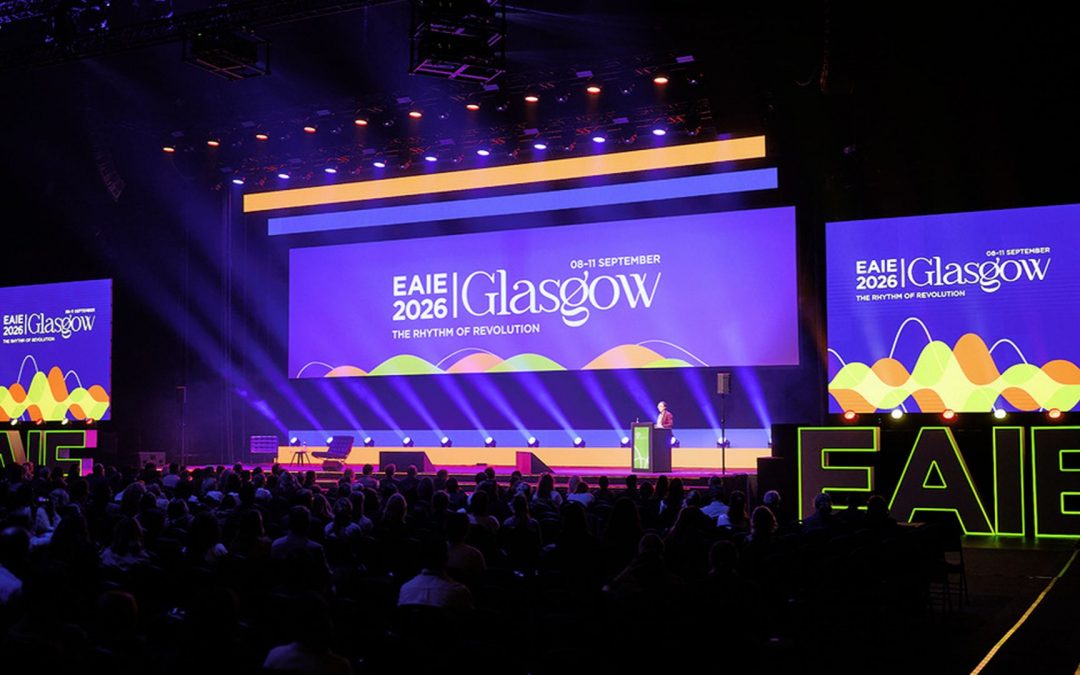
Université Paris Cité at EAIE 2026 in Glasgow
From 8 to 11 September, Université Paris Cité took part in the EAIE (European Association for International Education), the largest European higher education exhibition, held in Glasgow. As Europe's premier hub for higher education professionals, the EAIE brings...