

Coordinated by Université Paris Cité, the Erasmus+ project, LA-CoNGA physics (Latin-American alliance for Capacity building in Advanced Physics), has been extended for one more year, until January 2024.
A collaborative project led by Université Paris Cité
LA-CoNGA physics is an ERASMUS+ project for capacity building in higher education, led by José Ocariz, professor at Université Paris Cité. The project aims to contribute to the modernisation of the educational platforms of eight Latin American higher education institutions (HEIs) in the Andean region, through the implementation of a one-year course in advanced physics at the Master level. The curriculum has two tracks: high energy physics and physics of complex systems, and three training areas: theory, scientific instrumentation and data science. It is a unique collaborative transversal project, with representation from universities in four Latin American countries (Colombia, Ecuador, Peru and Venezuela). It supports the internationalisation of research and training and offers a unique opportunity for international partnerships.
Tackling the Pandemic
The project faced challenges related to the pandemic, including the installation and operation of the interconnected laboratories and the distance learning platform. For almost two years, the majority of the campuses in Latin America were closed.
In addition, the educational offering for the first year in 2021 had to be re-evaluated to take this into account. The students of the first cohort were not able to benefit from international mobility internships as initially planned. As a result, 2022 will have been the true pilot year of the programme. The students of the second cohort were able to return to their campuses, attend classes and carry out practical work in the LA-CoNGA physics interconnected laboratories.
Pursuing its Goals
Starting in January 2023, LA-CoNGA physics will continue with a third cohort of students. During this new period, the project will aim to balance the participation of students from all the countries in the consortium and to finalise the development of the interconnected laboratories.
According to Andrea Grijalva, project leader, “The fourth year 2023 will be crucial to consolidate the long-term sustainability of the network, creating strategic partnerships between academic institutions and scientific and industrial partners. We also plan to use this final year to make our e-learning platform available to other themes and institutions.”
Read more
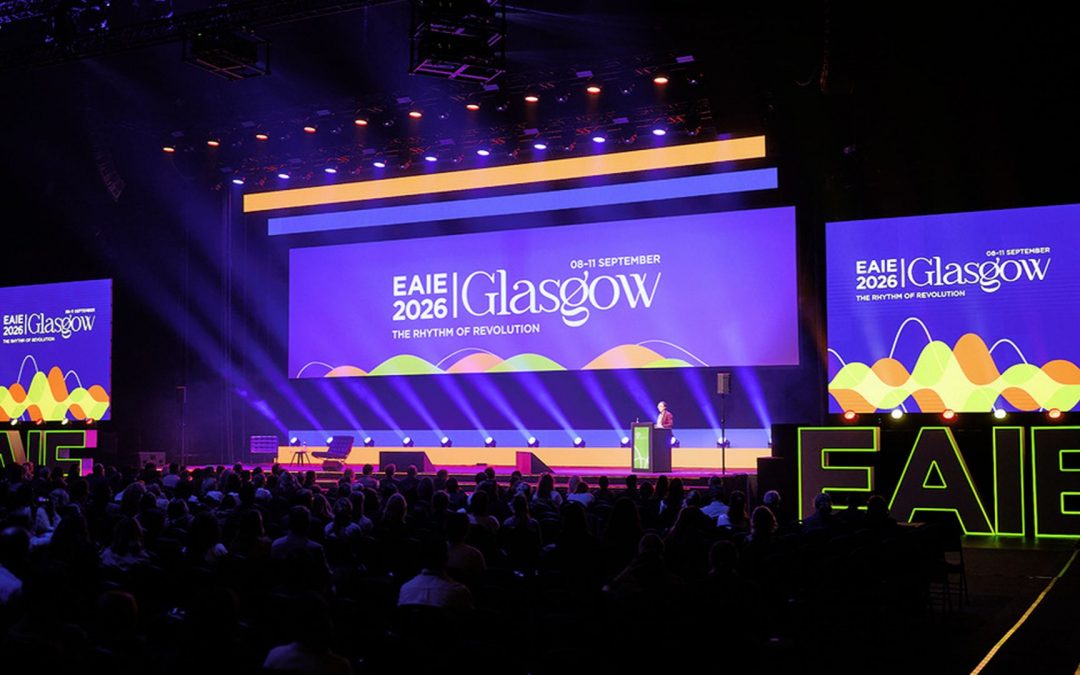
Université Paris Cité at EAIE 2026 in Glasgow
From 8 to 11 September, Université Paris Cité took part in the EAIE (European Association for International Education), the largest European higher education exhibition, held in Glasgow. As Europe's premier hub for higher education professionals, the EAIE brings...
read more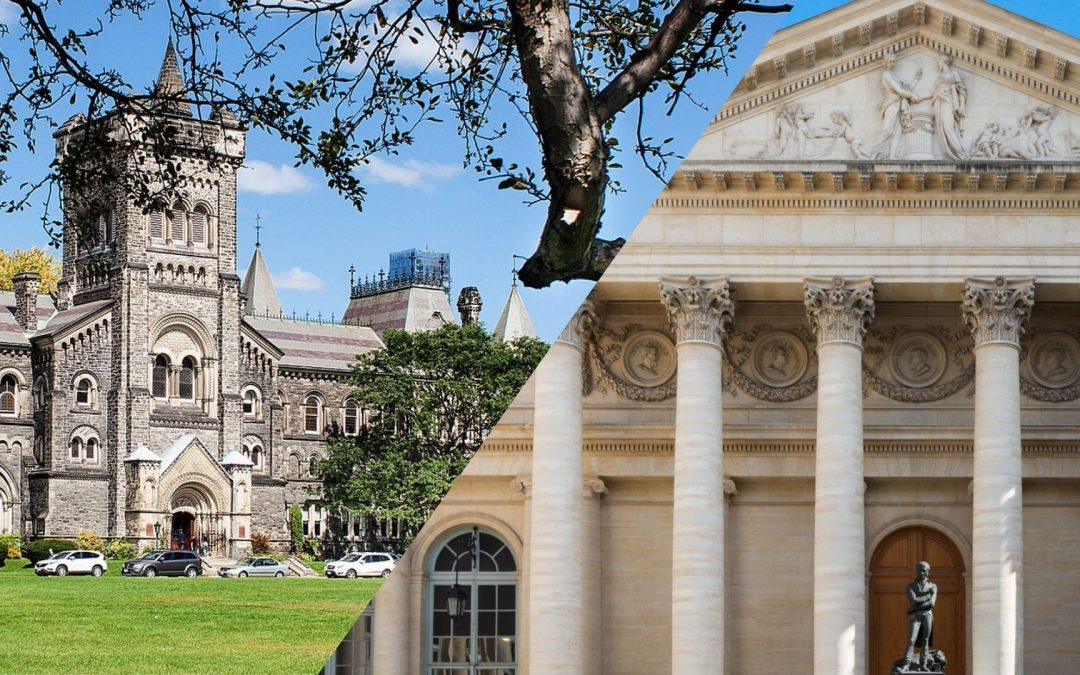
Doctoral Mobility: Results of the Call for Projects between Université Paris Cité and the University of Toronto
As part of the strategic partnership between Université Paris Cité (UPCité) and the University of Toronto (U of T), supported by the Initiative d'Excellence (IdEx), the call for doctoral mobility projects launched in 2026 aims to develop joint activities around themes...
read more
Erasmus Days: Discover the 2026 Programme!
From October 12 to 16, 2026, Université Paris Cité is celebrating the Erasmus Days once again! Conferences on international mobility, an escape game, theatre, an international evening… Discover the full programme for the 2026 edition. [iframe...
read more
Learn French as a foreign language with ‘Décalages culturels’, the podcast from RFI and Université Paris Cité
Born out of a partnership between RFI and Université Paris Cité, and spearheaded by its Pedagogical Innovation Department, the podcast ‘Décalages culturels’ has been running since March as part of the programme ‘8 milliards de voisins’. Having explored the...
read more