

Why does individual reaction to the SARS-CoV2 virus differ so widely from one person to another? International research teams from Université Paris Cité, Inserm, AP-HP, the Imagine Institute, Rockefeller University and the Howard Hughes Medical Institute in New York have for the first time answered this question. This discovery was ranked among the 10 major scientific advances of 2020 by the prestigious journal Nature.
Congratulations from Université Paris Cité !
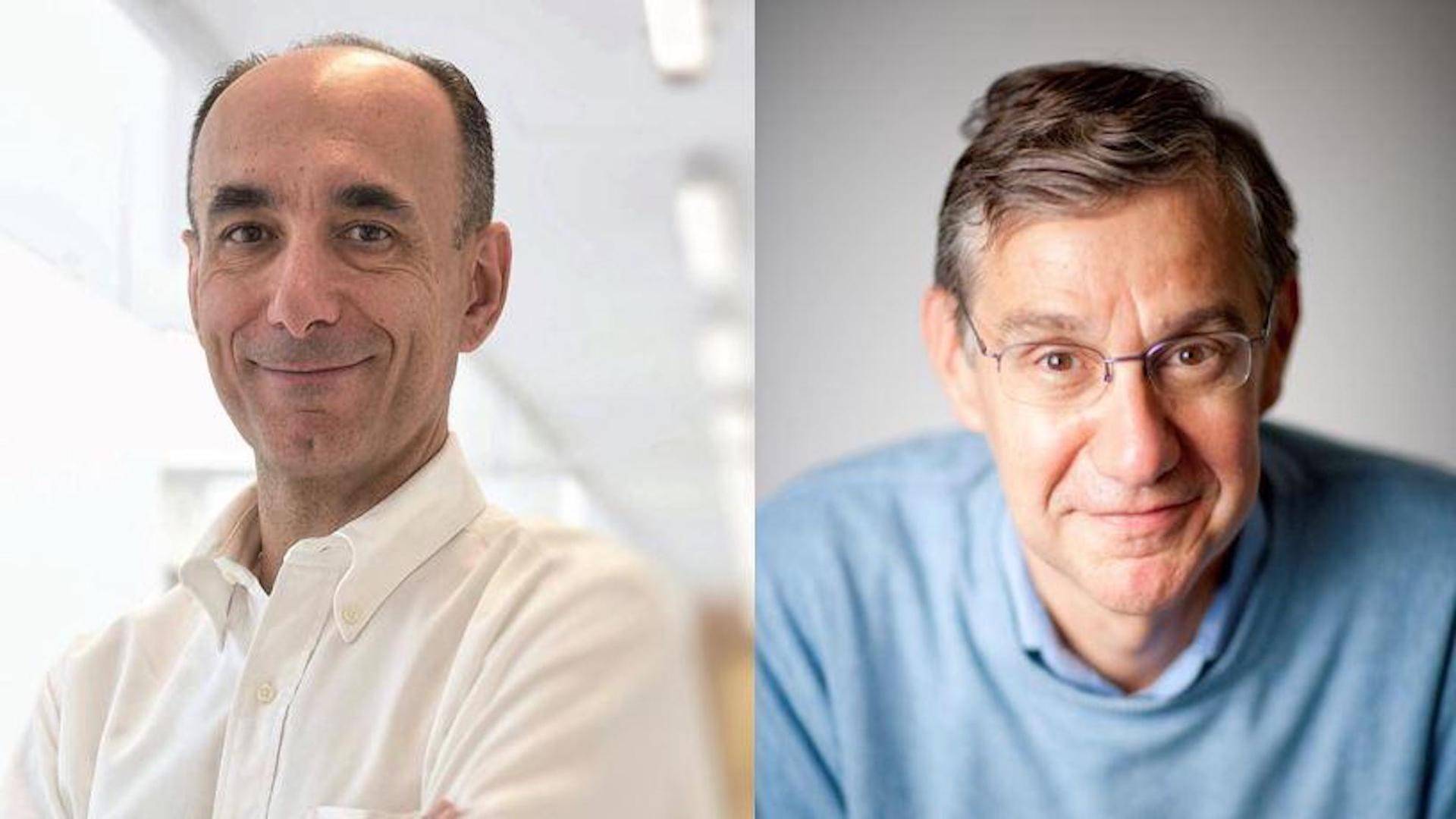
“Whether they are genetic variants that decrease the production of type I NFIs during infection or antibodies that neutralize them, these deficits precede infection with the virus and explain the severe disease. These two major publications therefore highlight the crucial role of type I IFNs in the immune response against CoV2-SARS,” conclude Jean-Laurent Casanova and Laurent Abel.
The Franco-American research team, jointly led by Jean-Laurent Casanova and Laurent Abel*, has identified the first genetic and immunological causes explaining 15% of the severe forms of Covid-19. Patients have one thing in common: a defect in the activity of type I interferons, molecules of the immune system that normally have powerful antiviral activity. These discoveries would make it possible to detect people at risk of developing a serious form and to better treat this group of patients. The results of this work were published in the journal Science.
At the onset of the Covid-19 pandemic, researcher Jean-Laurent Casanova and his team set up an international consortium, COVID human genetic effort, to identify the genetic and immunological factors that could explain the occurrence of severe forms of the disease. They focused on patients with these severe forms, including some patients included in the French-Covid and CoV Contact cohorts promoted by Inserm. By targeting their research on specific mechanisms of immunity – the type I interferon (IFN) pathway, which are powerful antiviral molecules – the researchers have highlighted genetic abnormalities in certain patients that reduce the production of type I IFN (3-4% of severe forms). In other patients, they have identified autoimmune diseases that block the action of type I IFNs (10-11% of severe forms). All these discoveries would thus explain 15% of the severe forms of Covid-19.
The first article published in Science describes genetic abnormalities in patients with severe forms of Covid-19 at the level of 13 genes already known to govern the IFN type I controlled immune response against the influenza virus. Mutations in these genes are the cause of some severe forms of influenza. Surprisingly, these genetic variants are also present in adults who have not previously been particularly ill with influenza. The main consequence of these mutations is a defect in the production of type I IFNs. For example, this was shown in the laboratories of Ali Amara and Vassili Soumelis at the Saint Louis Research Institute using cells from a patient with a mutation in the IRF7 gene.
Paving the way to understanding the occurrence of severe forms in men and individuals over 65
In the second publication, out of 101 patients with these antibodies to IFN type 1, 95 were male. This proportion is higher than that observed in patients with severe forms without neutralizing antibodies. In addition, one of the 6 women in whom the presence of autoantibodies could be detected also had Incontinentia pigmenti, a genetic disease due to a mutation of a gene carried by the X chromosome, one of the chromosomes that distinguishes the female from the male sex. These data suggest that the production of these antibodies could be linked to the X chromosome.
Furthermore, 49.5% of the patients who tested positive for these antibodies were over 65 years of age, compared to 38% in the rest of the cohort, which also suggests that the frequency of these antibodies increases with age.
* Jean-Laurent Casanova directs genetics and experimental immunology in both branches, while Laurent Abel directs genetics and mathematical epidemiology in both branches.
Sources
Inborn errors of type I IFN immunity in patients with life-threatening COVID-19
Qian Zhang et al.
Science, 24 septembre 2020
https://science.sciencemag.org/lookup/doi/10.1126/science.abd4570
Auto-antibodies against type I IFNs in patients with life-threatening COVID-19
Paul Bastard et al.
Science, 24 septembre 2020
https://science.sciencemag.org/lookup/doi/10.1126/science.abd4585
Read more
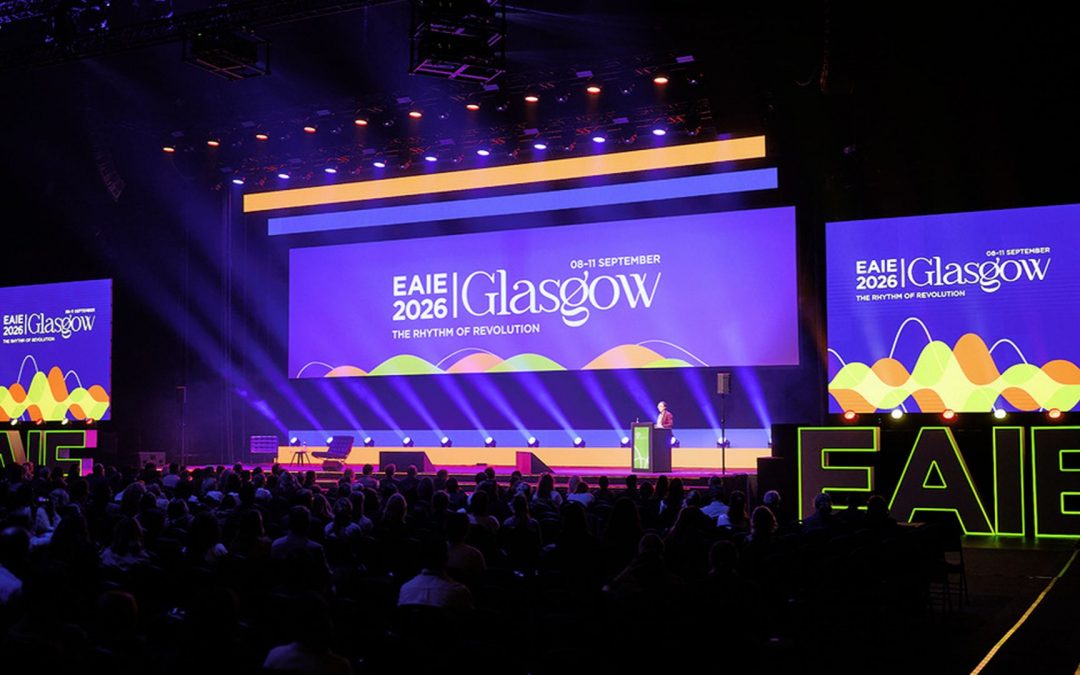
Université Paris Cité at EAIE 2026 in Glasgow
From 8 to 11 September, Université Paris Cité took part in the EAIE (European Association for International Education), the largest European higher education exhibition, held in Glasgow. As Europe's premier hub for higher education professionals, the EAIE brings...
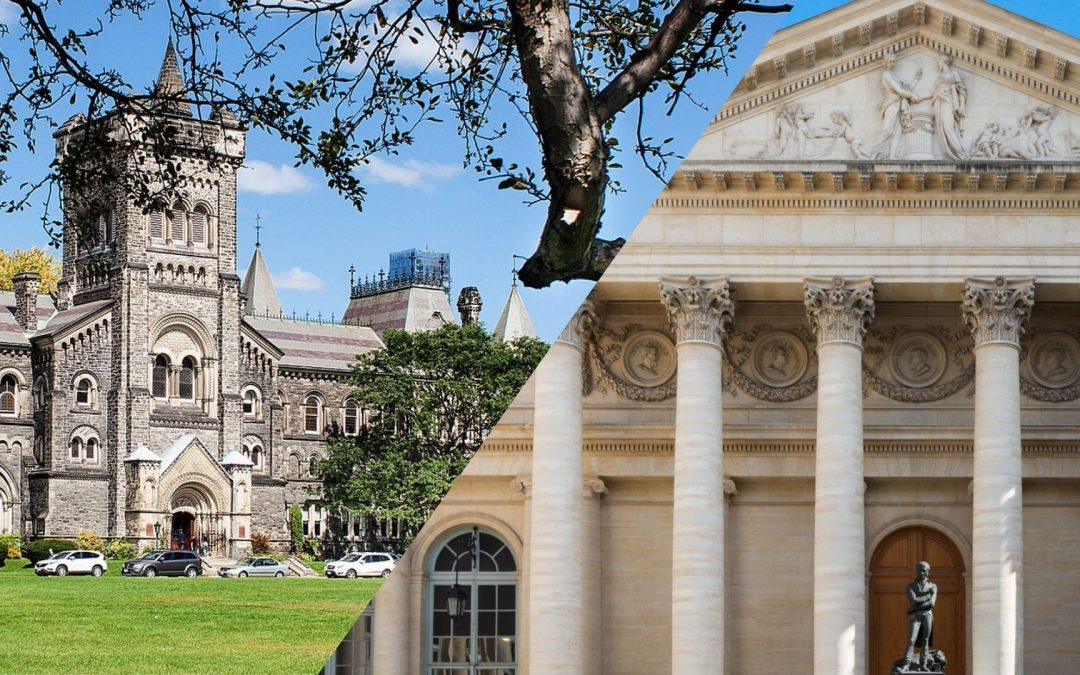
Doctoral Mobility: Results of the Call for Projects between Université Paris Cité and the University of Toronto
As part of the strategic partnership between Université Paris Cité (UPCité) and the University of Toronto (U of T), supported by the Initiative d'Excellence (IdEx), the call for doctoral mobility projects launched in 2026 aims to develop joint activities around themes...
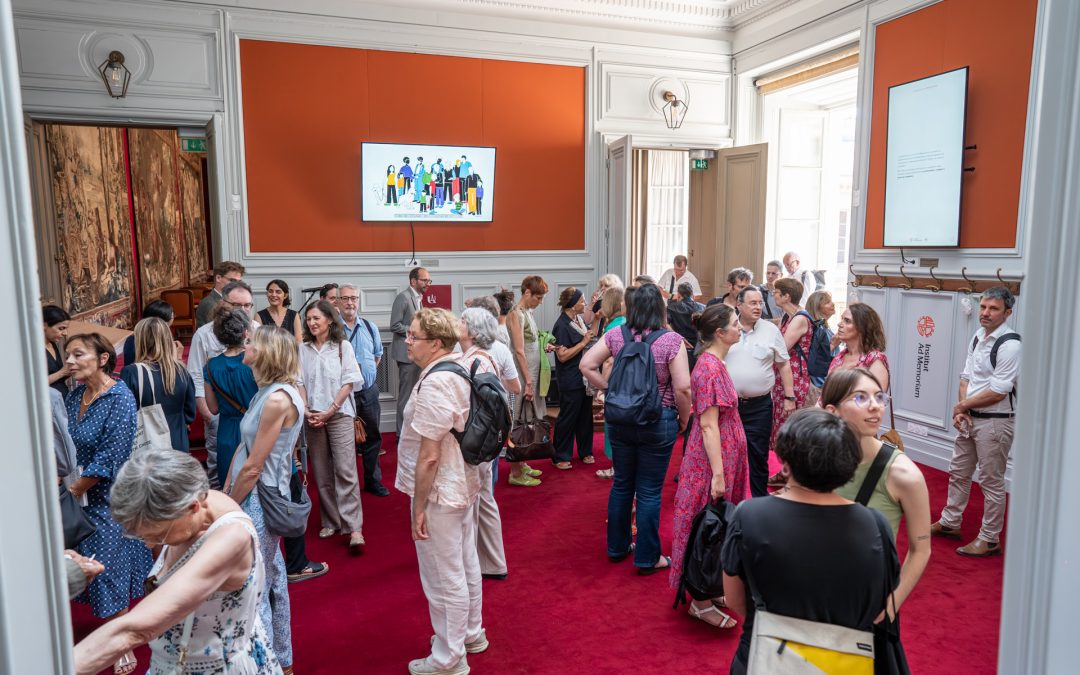
The Covid-19 Pandemic Memorial Site opens to the public
Starting Wednesday 16 September, the Covid-19 Pandemic Memorial Site will welcome visitors every Wednesday, from 2 p.m. to 5.30 p.m., at Université Paris Cité’s Odéon headquarters, located at 12 rue de l’École de médecine. Admission is free and no registration is...
Erasmus Days: Discover the 2026 Programme!
From October 12 to 16, 2026, Université Paris Cité is celebrating the Erasmus Days once again! Conferences on international mobility, an escape game, theatre, an international evening… Discover the full programme for the 2026 edition. [iframe...